The Fault We Don't Talk About 那條我們很少提起的斷層
When Taiwanese teachers introduce earthquakes, the Chelungpu Fault almost always comes up first. The 921 earthquake of 1999 broke that fault open and changed how the entire country thinks about disaster.
But Huatan does not sit on the Chelungpu Fault. We sit beside the Changhua Fault — quieter, less famous, and almost entirely missing from the national conversation. For our students, "the fault under your hometown" is not a thought experiment. It is a sentence about where they live.
當台灣的老師講地震時,幾乎第一個提到的,都是車籠埔斷層。1999 年的 921 大地震將這條斷層撕開,也改變了整個國家看待災難的方式。
但花壇不是坐在車籠埔斷層上。我們緊鄰的是彰化斷層——比較安靜、比較不有名、幾乎沒進入過主流新聞的一條斷層。對我們的孩子來說,「家鄉腳下的斷層」這句話不是抽象練習,而是一句描述他們真實生活地點的句子。
Six Experts, One Auditorium 六位專員,一場演藝廳的課
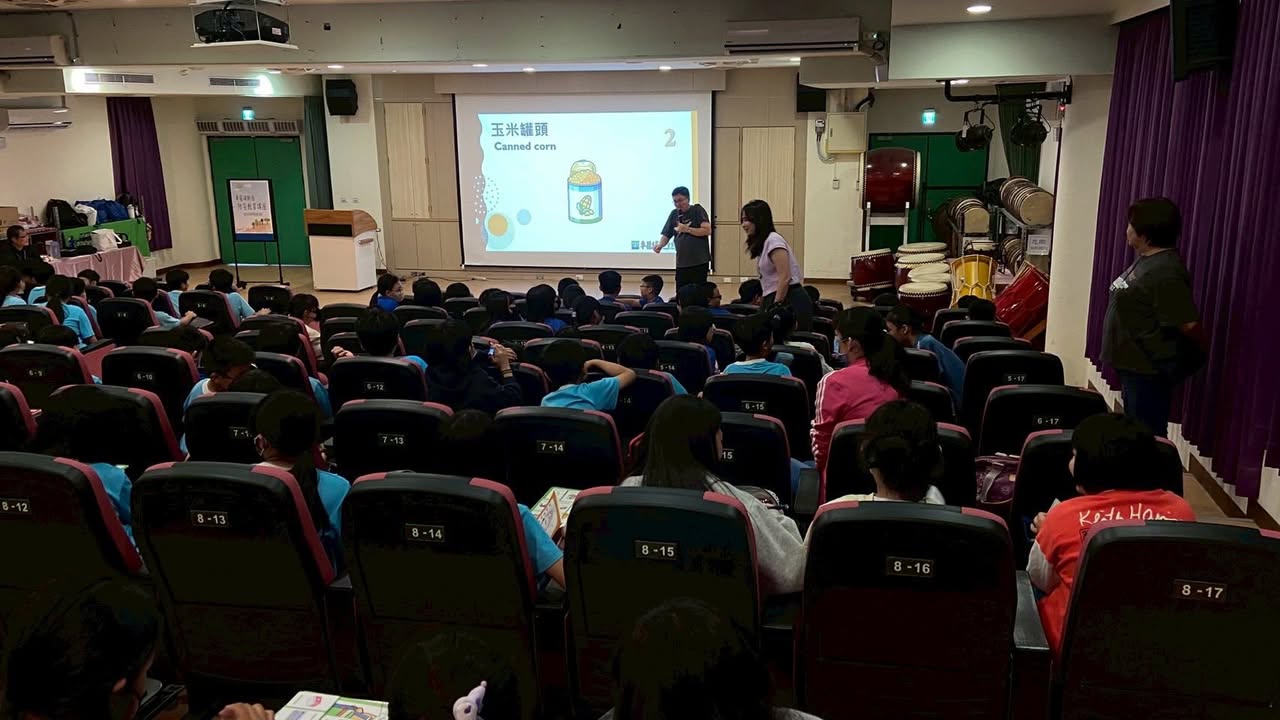
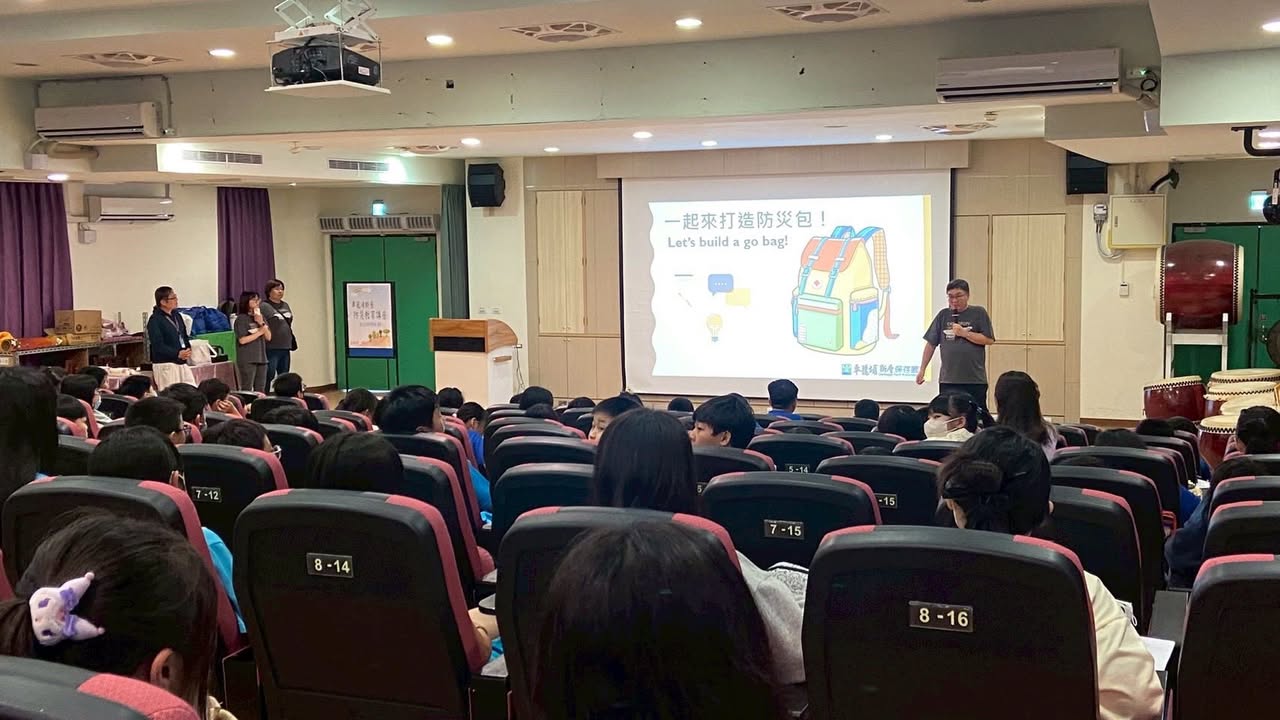
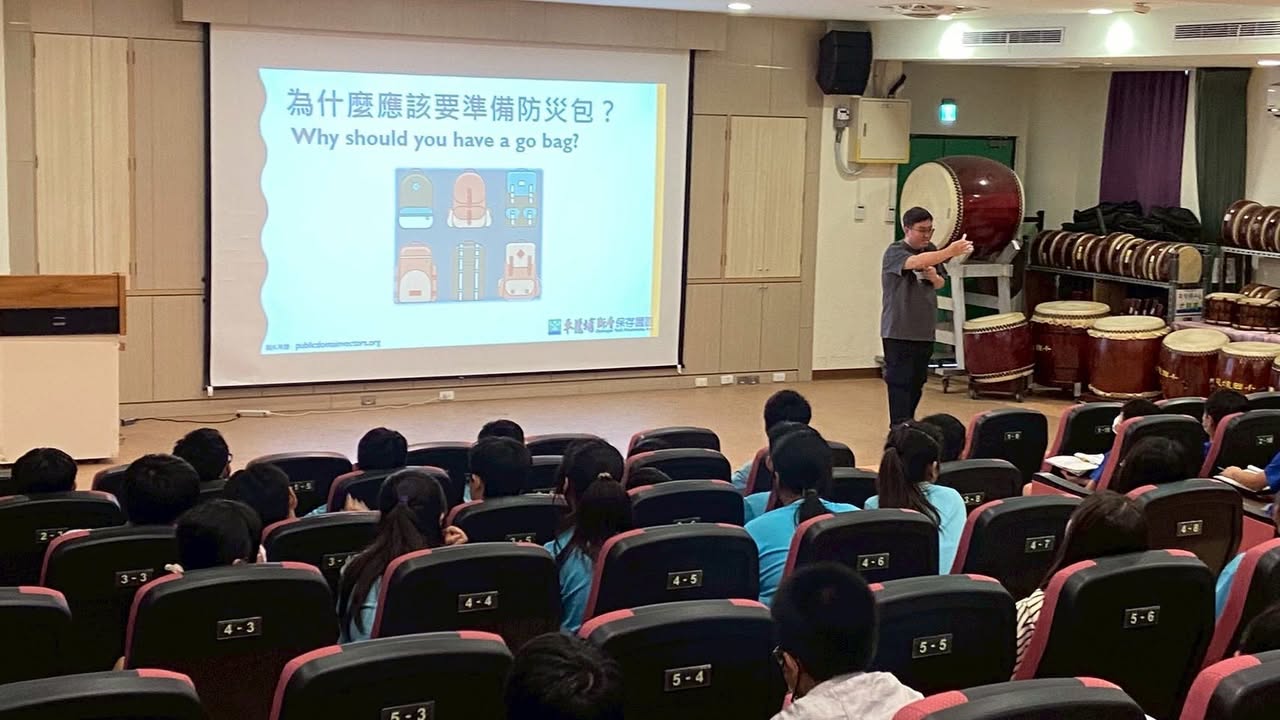
The National Museum of Natural Science in Taichung sent six specialists to Huatan Elementary for the day. They brought maps, models, interactive games, and the kind of patience that turns plate tectonics into something a third-grader can hold in their hands.
The lesson moved through three big questions: What kind of disasters does Taiwan get? Why are we prone to them? What do we put in a backpack so that, when the earth shakes, we are not improvising? By the time the children left the auditorium, the answers were not in their notebooks. The answers were in their bodies.
台中的國立自然科學博物館,這天派出六位專員來到花壇國小。他們帶來地圖、模型、互動遊戲,以及一種特殊的耐心——能把「板塊運動」這四個字,講到三年級的孩子可以用手摸到的程度。
整堂課圍繞三個大問題:台灣有哪些天然災害?為什麼我們容易遇到?防災包裡該放什麼,讓地震發生那一刻,我們不必臨場慌亂?孩子離開演藝廳時,答案不在他們的筆記裡,而是在他們的身體記憶裡。
What Goes in an Emergency Kit? 防災包裡該裝什麼?(雙語對照詞彙)
Taiwan has typhoons, landslides, and earthquakes. We can't stop them — but we can be the ones who got ready.台灣會有颱風、土石流、地震。我們無法阻止它們發生——但我們可以是那群事先準備好的人。
From the Class 課堂現場
Why It Mattered 這堂課的意義
Disaster education in elementary school risks becoming a checklist — a fire-drill twice a year, a worksheet about plate tectonics, a poster on the wall. We did not want to teach the topic that way. We wanted our students to leave the auditorium with the same feeling that a six-year-old already has on the way home from a Mazu pilgrimage: this is about my place, and I am part of it.
The bilingual layer was deliberate. Pairing "canned corn" with "玉米罐頭" reminds students that practical English is not a separate subject from emergency preparedness or geology — it is part of how we live in a small Taiwanese town that is also a part of the world.
小學階段的防災教育,最容易掉入「打勾式教學」——一年兩次的疏散演習、一張寫板塊運動的學習單、貼在牆上的海報。我們不想用那樣的方式教這個主題。我們希望孩子離開演藝廳時,心裡帶著的感覺,跟他們六歲那年從迎媽祖回家的感覺類似——這是關於我這個地方的事,而我是其中一員。
雙語呈現是刻意的。把「Canned corn」和「玉米罐頭」並排放,是在提醒孩子:實用英文不是獨立的科目,與防災、地質學並不分開——它是我們生活在一個也屬於世界的台灣小鎮裡的方式之一。
- About this story · 故事來源
- Compiled from Huatan Elementary's official Facebook posts (April 24, 2026) and curriculum materials provided by the National Museum of Natural Science.
- Partner institution · 合作單位
- National Museum of Natural Science (國立自然科學博物館), Taichung — six specialists onsite for the day.
- Local context · 在地脈絡
- Huatan Township sits adjacent to the Changhua Fault (彰化斷層), one of central Taiwan's active fault lines. 花壇國民小學家長社團