From the dairy farms around us to the vegetable beds on our campus.
從身邊的酪農場,到校園裡的菜圃。
Yushin stands in Fubao, Fuxing — a corner of the Changhua coast known as the "home of dairy cows." Dairy farms and rice fields wrap around our school, and many students' families milk cows or grow vegetables for a living. Our Food & Agriculture Education program brings this world into the classroom: students follow milk from cow to carton, and food from seed to table, in six hands-on lessons — then check what they learned with a quick quiz.
育新坐落於福興鄉福寶——彰化海岸著名的「乳牛故鄉」。酪農場與稻田環繞校園,許多學生家裡以擠牛奶或種菜維生。我們的食農教育把這個世界帶進教室:用六堂動手做的課,帶學生認識牛奶從牧場到餐桌、食物從種子到餐桌的旅程,最後用一個小考驗收學習。
Yushin sits in Fubao, a part of the Changhua coast famous as the "home of dairy cows." All around our school, dairy farms raise gentle black-and-white cows, and many of our students' own families are dairy or vegetable farmers. Living beside the farms, our children grow up knowing one important truth: food does not start at the supermarket — it starts on the land.
育新坐落在福寶,這是彰化海岸著名的「乳牛故鄉」。學校四周的酪農場飼養著溫馴的黑白花乳牛,許多學生家裡正是酪農或菜農。在農場旁長大,育新的孩子懂得一個重要的道理:食物不是從超市開始的——而是從土地開始的。
How does milk travel from the farm to your cup? Early each morning, farmers do the milking. The fresh milk is cooled right away, carried to a dairy, gently heated to keep it safe, and packed into cartons. Because our dairies are so close to home, the milk travels only a short way — fewer food miles, and fresher milk on the table.
牛奶怎麼從牧場來到你的杯子裡?每天清晨,酪農先擠奶。鮮奶立刻冷藏,送到乳品廠,經過溫和加熱保鮮,再裝進紙盒。因為我們的乳品廠就在附近,牛奶只需要走一小段路——食物里程更短,餐桌上的牛奶也更新鮮。
Yushin turned a patch of empty campus ground into a real vegetable garden. Students clear the soil, mix in organic fertilizer, and plant seeds of seasonal vegetables — lettuce, radish, napa cabbage, and scallions. To keep bugs away without chemicals, they even spray a home-made chili water. Day by day, they water and weed, and watch tiny seeds become food.
育新把校園一塊空地,整理成真正的菜園。學生翻鬆土壤、拌入有機肥,種下當令蔬菜的種子——萵苣、蘿蔔、大白菜和青蔥。為了不用化學藥劑驅蟲,他們還自製辣椒水噴灑。日復一日澆水、除草,看著小小的種子長成食物。
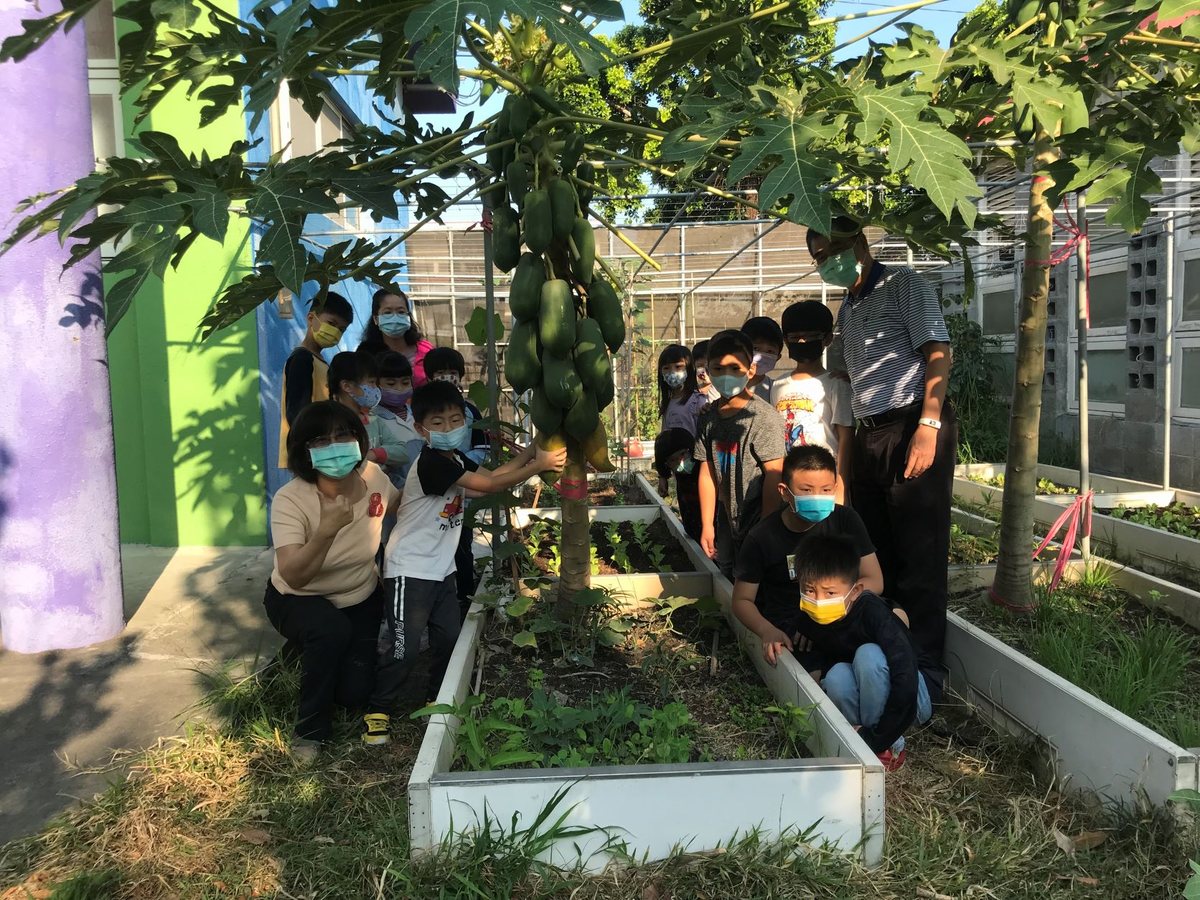
When the vegetables are ready, it's harvest time! Students pull radishes from the soil and cut fresh napa cabbage with their own hands. They learn that every vegetable has its own season, and that eating local and in-season food is fresher, tastier, and kinder to the Earth.
當蔬菜成熟,就是採收的日子!學生親手從土裡拔出蘿蔔,割下新鮮的大白菜。他們學到,每種蔬菜都有自己的季節,吃在地、當令的食物,更新鮮、更美味,也對地球更友善。
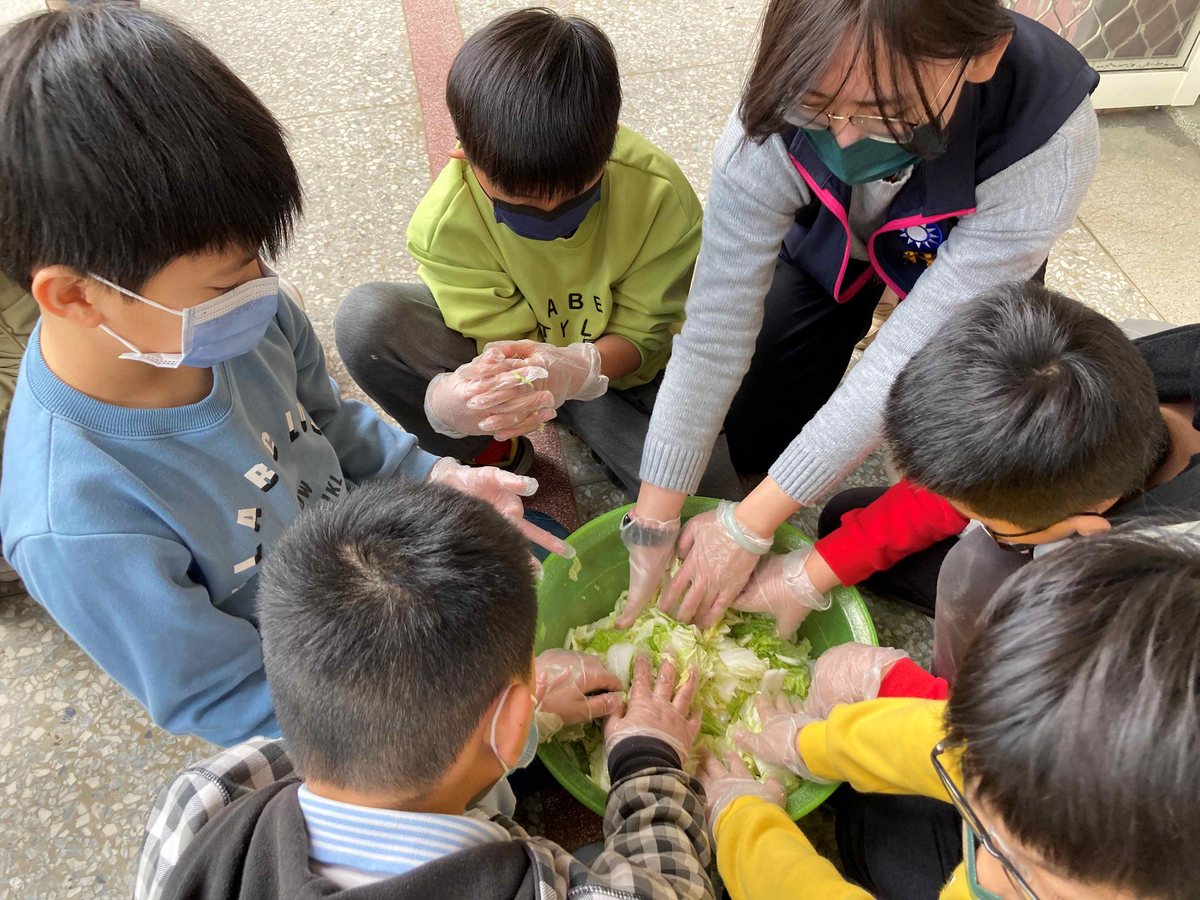
Now the best part — cooking! Using milk from our dairy country, students bake milk cookies and set smooth panna cotta. From the garden harvest, they make golden kimchi and pickled radish. Tasting real, simple food made by their own hands, they discover just how good "from scratch" can be.
最棒的部分來了——下廚!學生用家鄉牛奶烤牛奶餅乾、做滑順的奶酪(panna cotta);用菜園的收成做黃金泡菜和醃蘿蔔。親手做、親口嚐,他們發現「從頭開始」的食物有多美味。
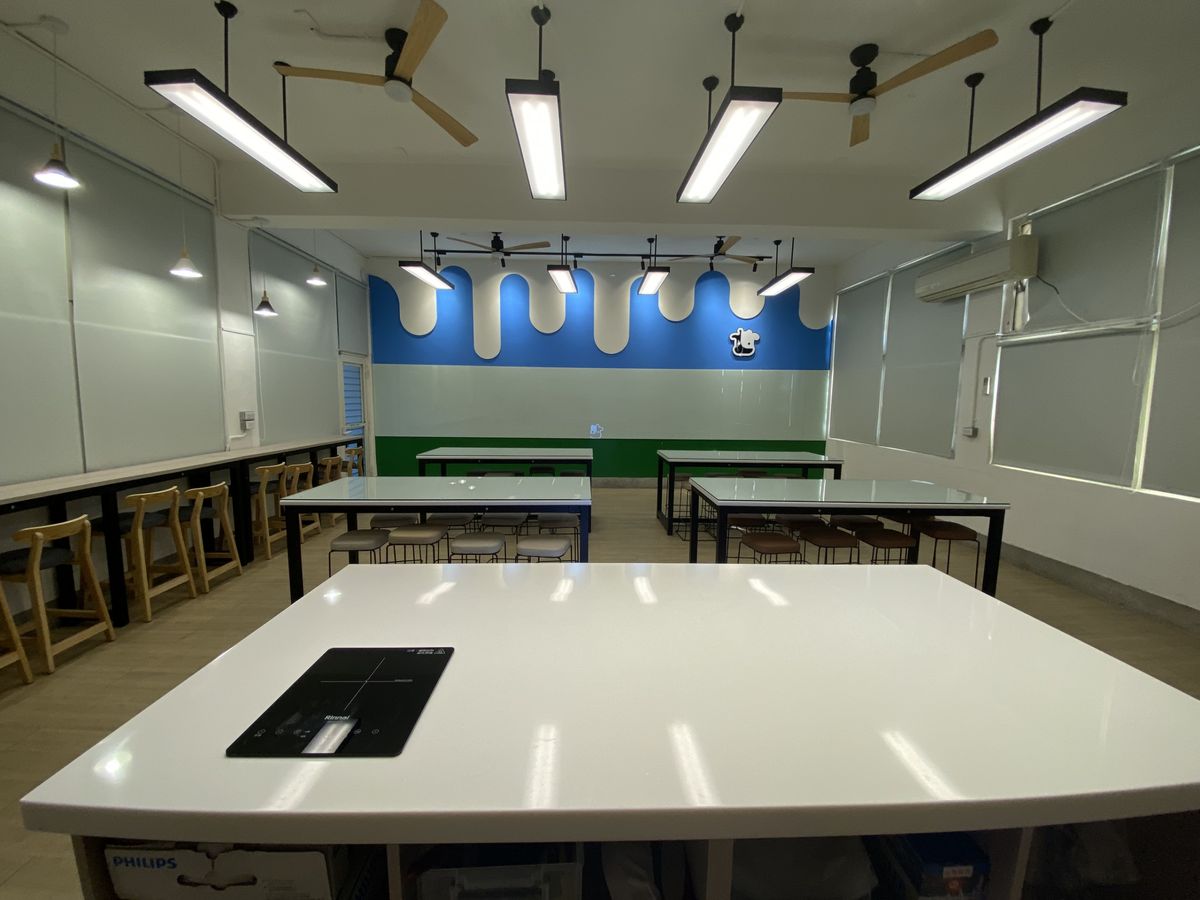
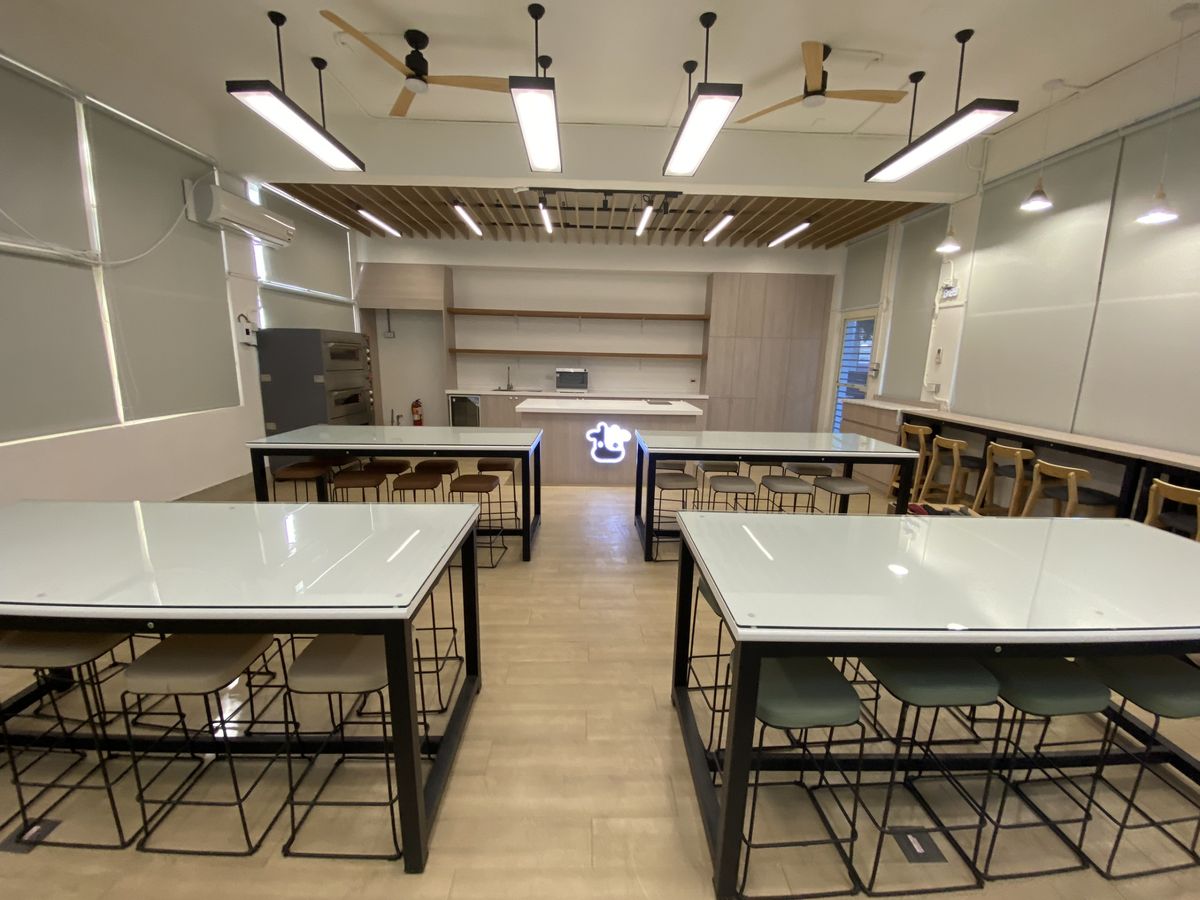
All of this happens in our bright Food & Aesthetics Hall — a real teaching kitchen with a friendly neon dairy cow keeping watch.
這一切都在明亮的食育美學堂裡發生——一間真正的教學廚房,還有一隻友善的乳牛霓虹燈守護著。
Food is a gift. At Yushin, what we grow we share — with the whole school, and at a community charity sale that turns a harvest into kindness. We learn three table manners that last a lifetime: to cherish food, to give thanks to the farmers and the land, and to share with others.
食物是一份禮物。在育新,我們把種出來的食物分享出去——分送全校,也在社區義賣,把收成化為善意。我們學會三種受用一生的餐桌禮儀:珍惜食物、對農夫與土地感恩,並與他人共享。
Eight questions from the six lessons. Choose one answer for each.
八題,來自六堂課的內容。每題選一個答案,最後按下「Check my answers」看成績。