This week, Ludong's Hoklo Taiwanese summer class — "I Am a Lukang Person" — took its lessons out of the classroom and into Lukang itself. Students visited the historic Ding Family Mansion, walking the very streets connected to the Qing-dynasty port stories they had learned about the week before, using their own hands and feet to stand inside the history.
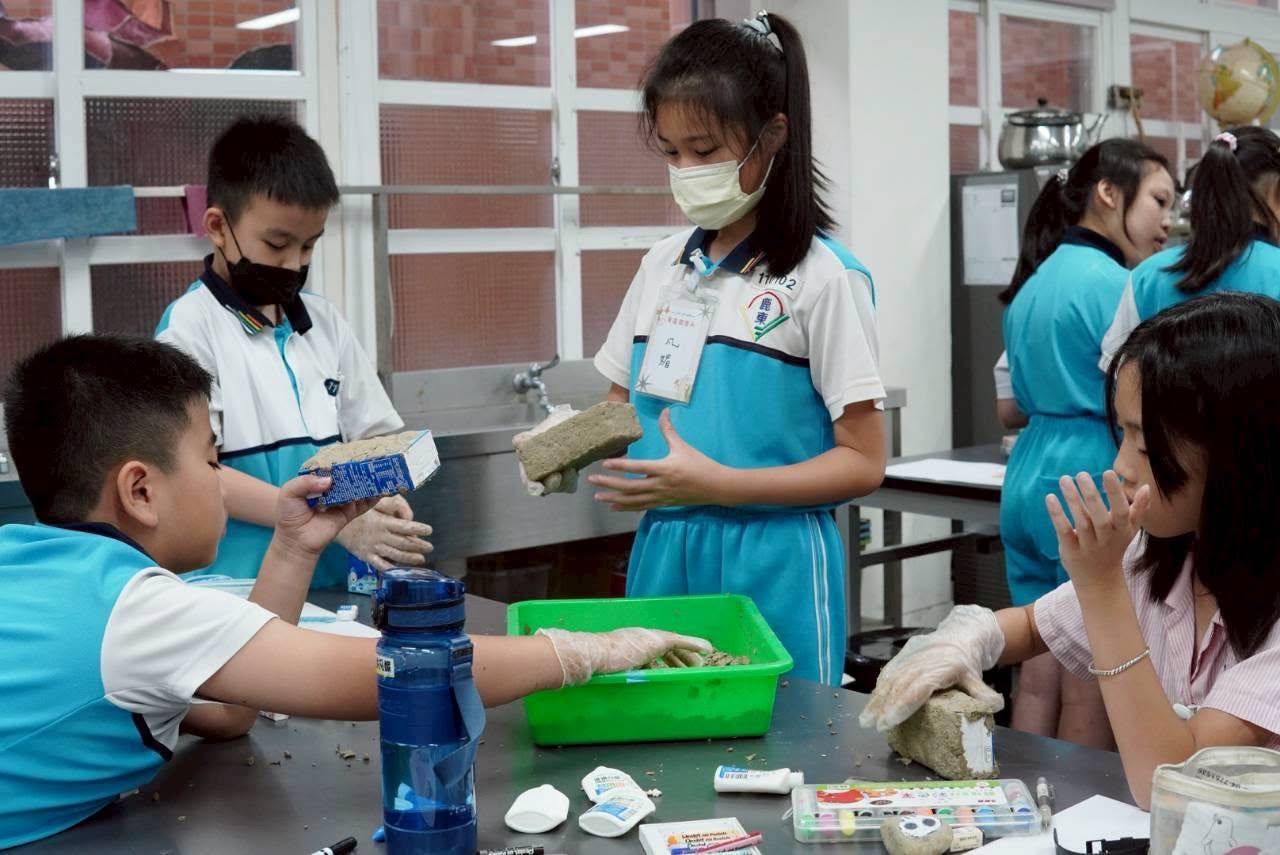
Back in the classroom, students turned what they had learned into something they could hold: painting stones and shaping recycled paper pulp to create their own one-of-a-kind "Lukang Person."
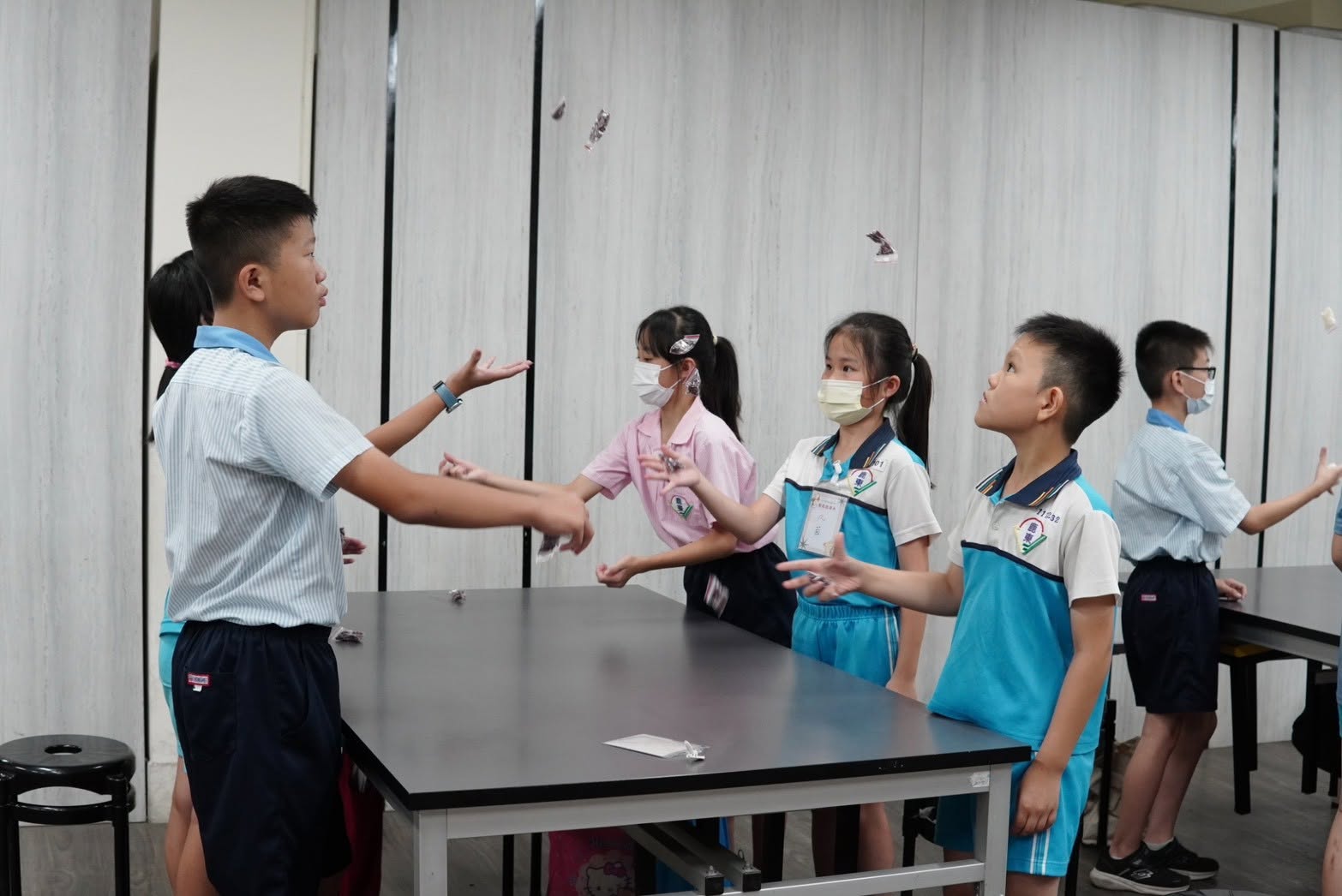
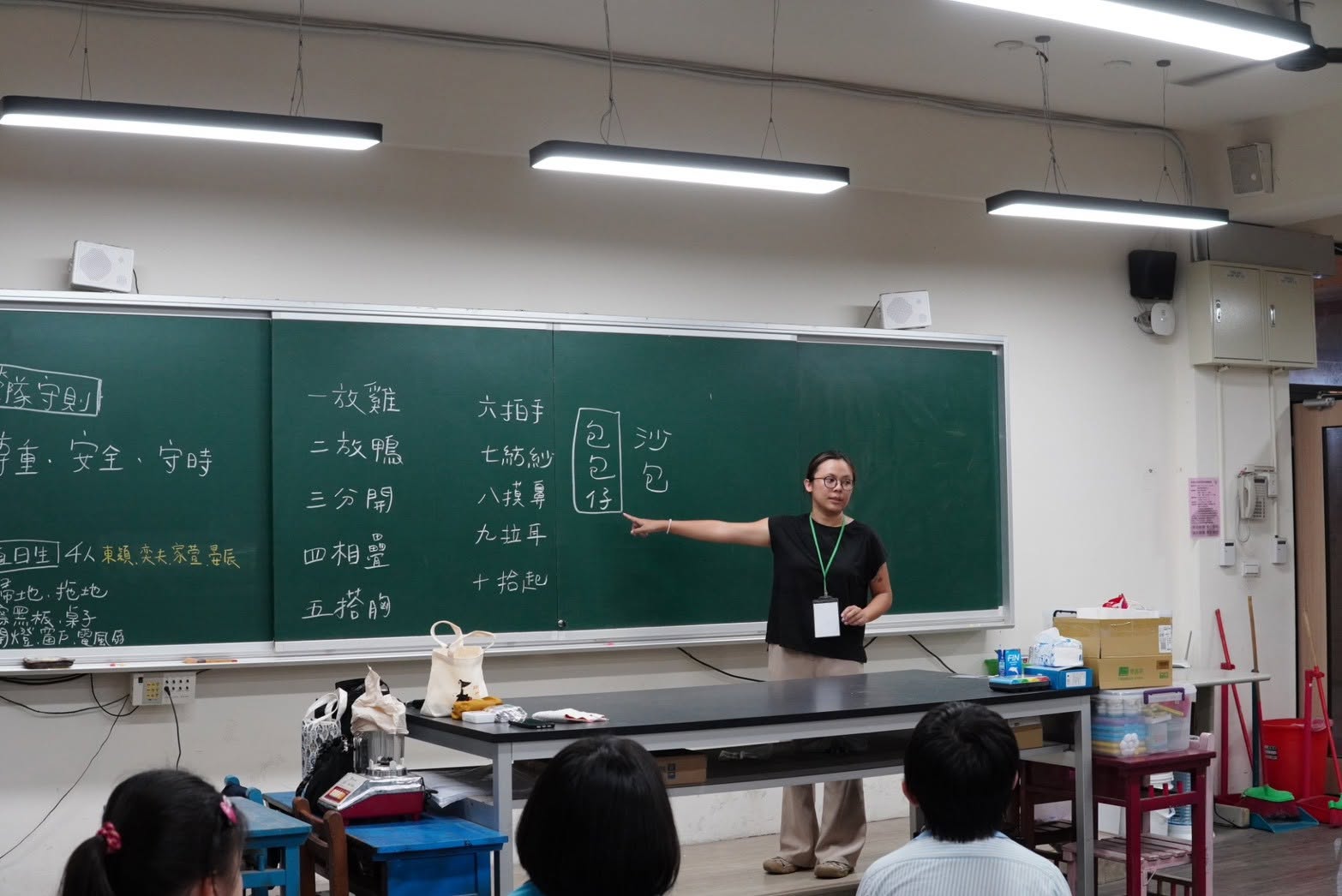
Taiwanese Hoklo remained the language running through every day of the week. Students played a traditional sandbag-tossing game entirely in Taiwanese to practice numbers, and built on the previous week's color vocabulary by learning Taiwanese words for emotions — even drawing those feelings on paper and talking about what happens in their bodies when different emotions arise.
這一週我們一起來到鹿港的古建築——丁家大宅,用雙手感受、雙腳走踏在這上週課堂中所認識的清代鹿港港口故事的歷史現場。
除了對過往地方歷史的認識,我們也一起用彩繪石頭、捏塑再生紙漿的方式,準備做一個專屬我們的「鹿港人」!
當然,台語依然是這週圍繞著我們每日課程的語言,我們一起用台語和沙包遊戲認識數字,也將上週學習的顏色結合情緒,認識了各種跟情緒有關的台語詞,更試著將情緒形象化在畫紙上,一起去感受不同情緒來臨時,我們的身體發生了什麼變化與感受!
Tap 🔊 to listen · 點喇叭聽發音
The old mansion is full of history.這棟老宅充滿歷史。
We visited a beautiful old mansion.我們參觀了一棟美麗的老大宅。
We paint stones in our class.我們在課堂上彩繪石頭。
We recycle paper to make new crafts.我們把紙回收再利用做成手作品。
Happy and sad are two emotions.開心和難過是兩種情緒。
Drawing helps me show my feeling.畫畫幫助我表達我的感受。
We say numbers in Taiwanese.我們用台語說數字。
Making a stone person is a fun craft.做一個石頭人是很好玩的手作。
Match the word to its meaning
把英文和中文配對
Matched 配對成功:0 / 8