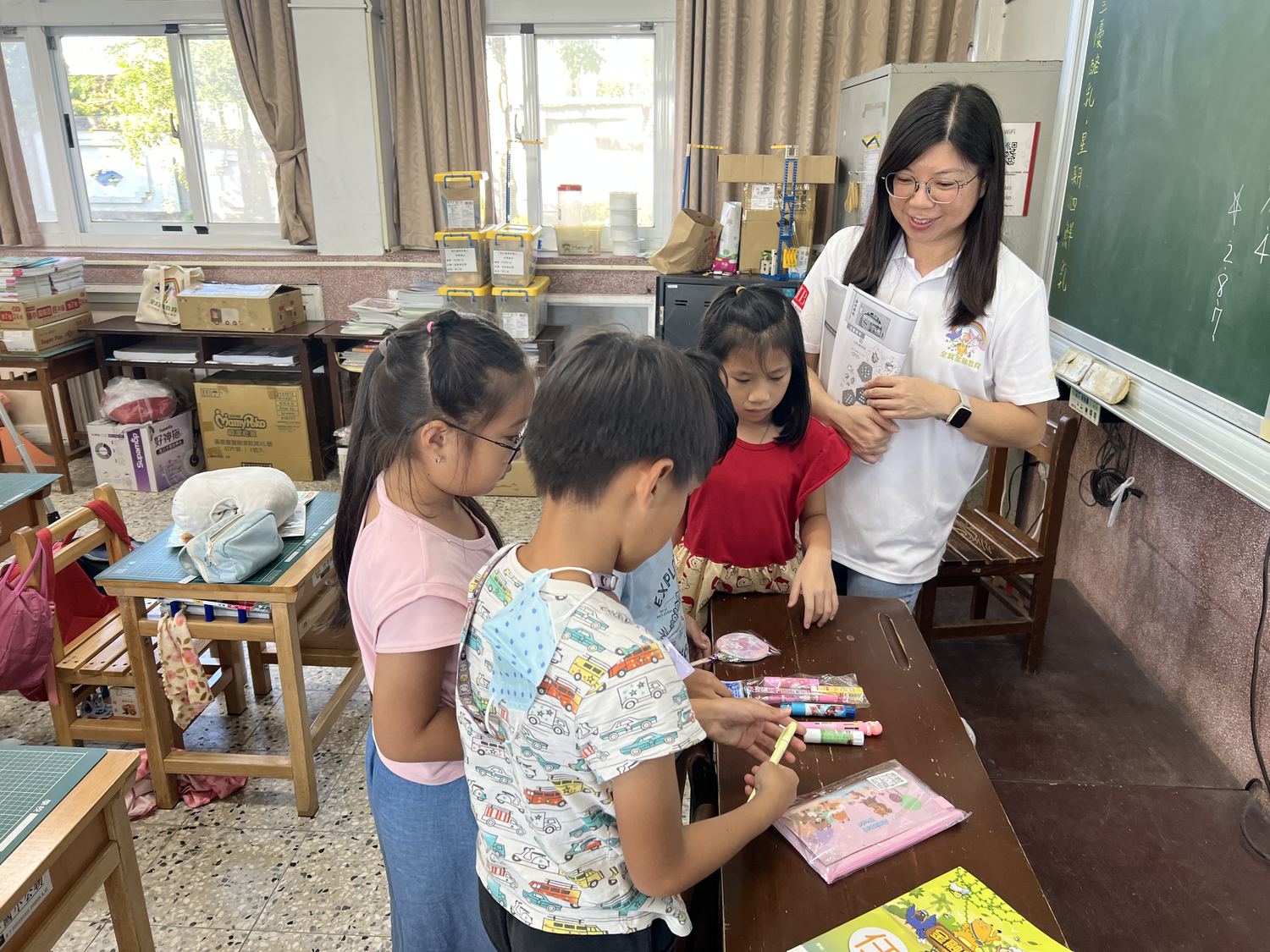
SingHua has launched a hands-on financial education program: three financial-literacy lessons that help students learn about money, and how to manage it, through everyday experiences. In the first lesson, Class 4A and their teacher set off on a journey to “Get to Know Money.” Through lively, interactive activities, the children learned to tell the difference between “needs” and “wants” in daily life, building healthy ideas about money and spending.
本校推動體驗式金融教育,正式啟動三堂金融素養課程,帶領學生從生活經驗中認識金錢、學習理財。首堂課由念慈老師帶領四年甲班學生展開「認識金錢」的學習旅程,透過生動有趣的互動活動,引導孩子分辨生活中的「需要」與「想要」,建立正確的金錢觀念與消費意識。
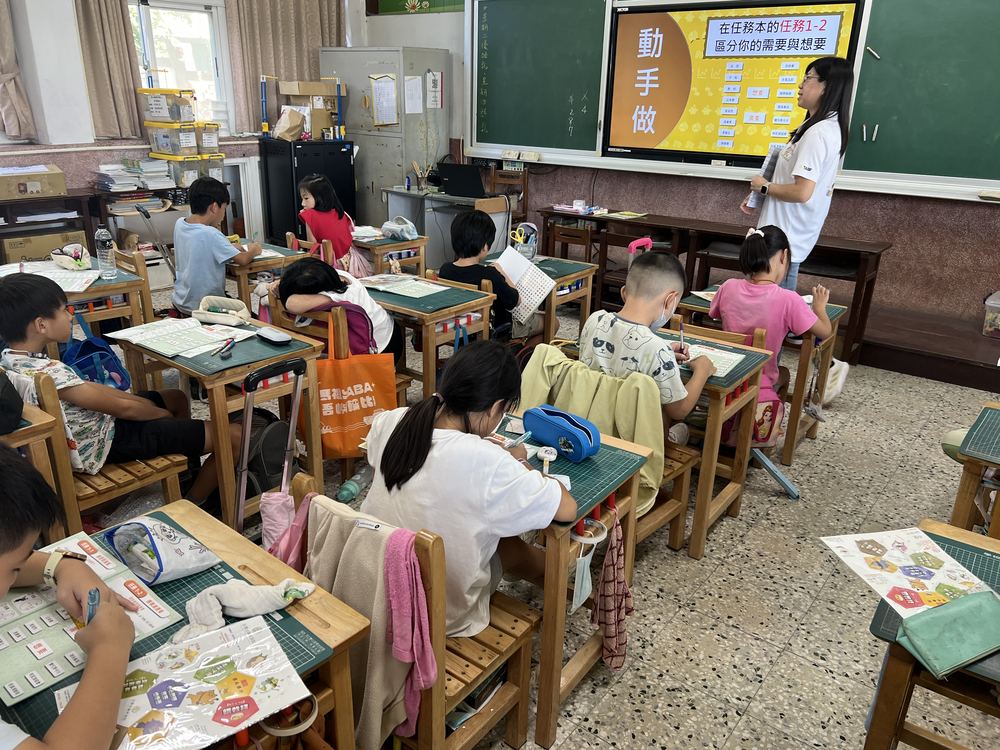
In class, the children worked carefully through their task books, using hands-on practice and real-life situations to think about where different spending choices lead and how to make good decisions. They also made their own piggy banks — enjoying the fun of creating while learning what saving means, and turning money knowledge into something they can do in daily life.
課程中,孩子們認真翻閱任務本,透過實際操作與情境練習,思考不同消費選擇所帶來的影響,學習做出適當的判斷與決策。活動也安排專屬存錢筒 DIY,讓學生親手打造自己的存錢筒,在創作的樂趣中認識儲蓄的意義,將理財知識轉化為生活中可以實踐的行動。
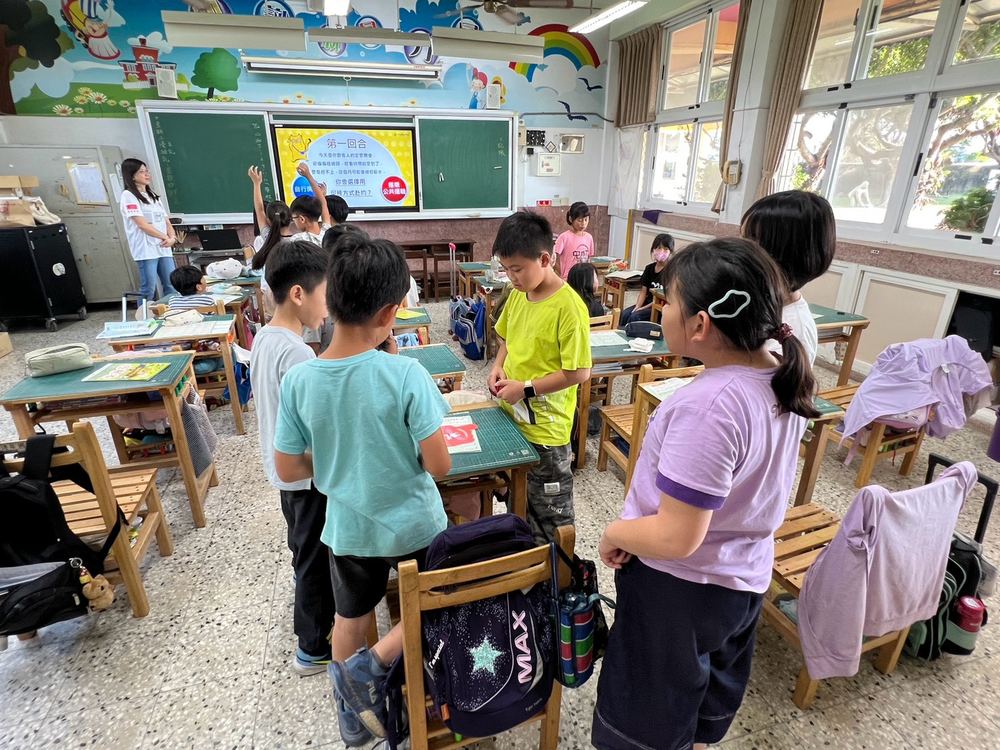
Through learning that is both fun and practical, students not only learn what money is for, but also come to understand the value of thoughtful spending, careful planning and saving. With lessons that build step by step, the school hopes to grow children’s ability to think and decide for themselves, so that financial literacy takes root early and becomes an important everyday skill.
透過寓教於樂的體驗式學習,學生不僅認識金錢的用途,也逐步理解理性消費、妥善規劃與儲蓄的重要性。學校期盼藉由循序漸進的課程設計,培養孩子獨立思考與自主決策的能力,讓金融素養從小扎根,成為日常生活中重要的學習能力。