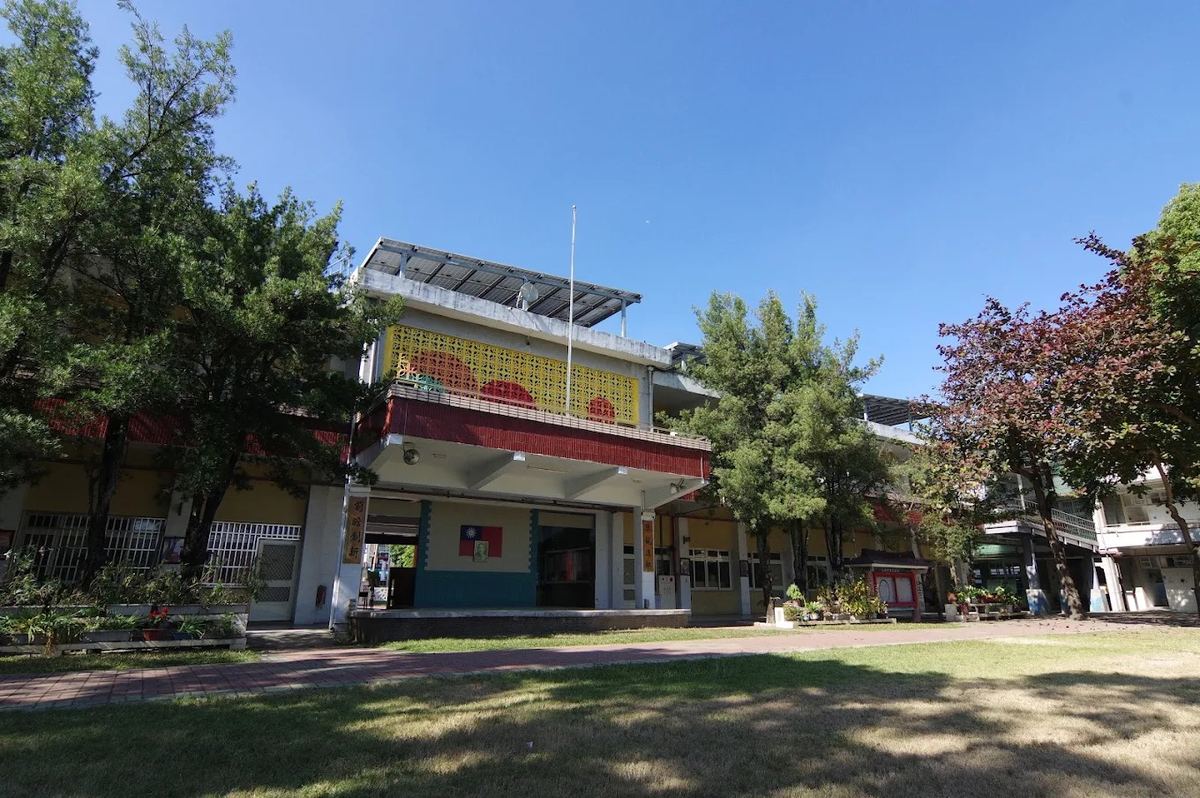
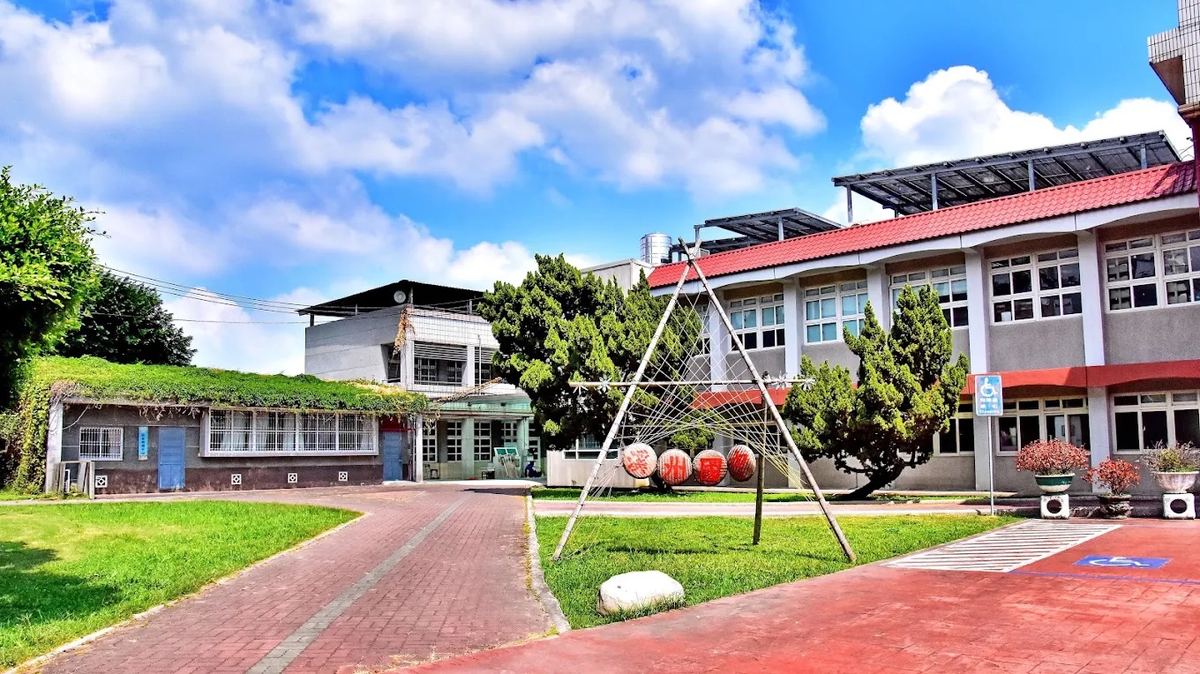
Sixty-plus years beside the Zhuoshui River — a small campus with a big sense of place.
濁水溪畔一甲子有餘,小而美的校園,深厚的人文氣息。
Sijhou Junior High School was approved for founding by the Taiwan Provincial Department of Education in 1957 (Minguo 46), under the name Changhua County Sijhou Junior Middle School. Its first principal was Gao Ming-min. Classes began in borrowed classrooms at Sijhou Elementary School, and the school moved to its current site when new classrooms were completed on October 20 of the same year.
民國四十六年,臺灣省政府教育廳准予設校,校名為「彰化縣立溪州初級中學」,第一任校長為高明敏先生。成立之初先暫借溪州國校教室上課,同年十月二十日新建教室工程完成,遷回現址上課迄今。
On August 1, 1968, when nine-year compulsory education was implemented nationwide, the school was renamed Changhua County Sijhou Junior High School — a name it has carried for more than six decades since. Today the school has 9 classes and 215 students, served by 44 faculty and staff, under current principal Lin Tsung-jen.
民國五十七年八月一日,政府實施九年國民教育,本校奉令改制為「彰化縣立溪州國中」,至今已屆滿六十餘年。全校目前班級數九班,學生二百一十五名,教職同仁四十四名,現任校長為林宗仁先生。
The school sits in Sijhou Township, Changhua County's southernmost township, near the banks of the Zhuoshui River. The campus is elegant and the students unpretentious. Specialized classrooms include two international video-conferencing classrooms, a biology room, two physics/chemistry labs, a computer room, a life-science room, an art room, a music room, a scouting room, a home economics room, a library, the Xiyuan Community Reading Center, an arts & culture hall, an audiovisual room, a covered sports court, a wellness center, a basketball court, a conference room, and more — a well-planned, fully equipped, and richly humanistic learning environment.
本校位於彰化縣最南端溪州鄉,鄰近濁水溪畔,學校環境優雅,學生純樸,目前設置專科教室有:國際視訊教室兩間、生物教室、理化實驗室兩間、電腦教室、生科教室、美術教室、音樂教室、童軍教室、家政教室、圖書館、曦園(社區閱讀中心)、藝文館、視聽教室、風雨球場、樂活館、籃球場、會議室等,規劃得宜、設備完整、充滿人文氣息,充分發揮境教功能,為一個優質的學習環境。
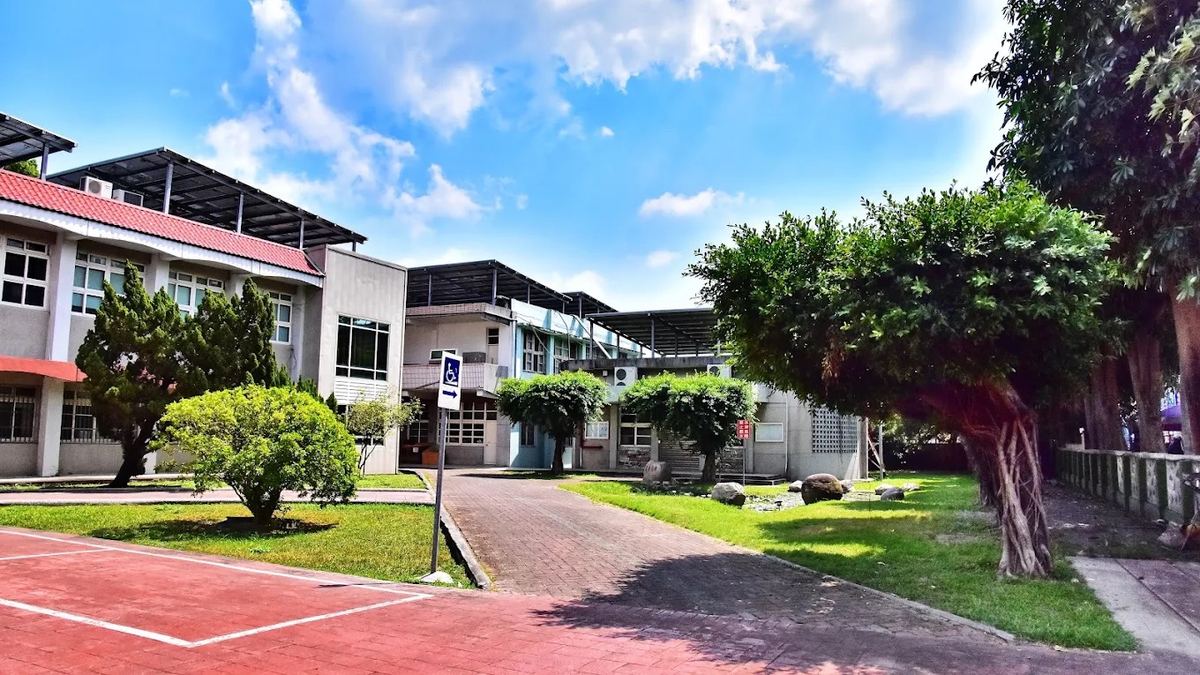
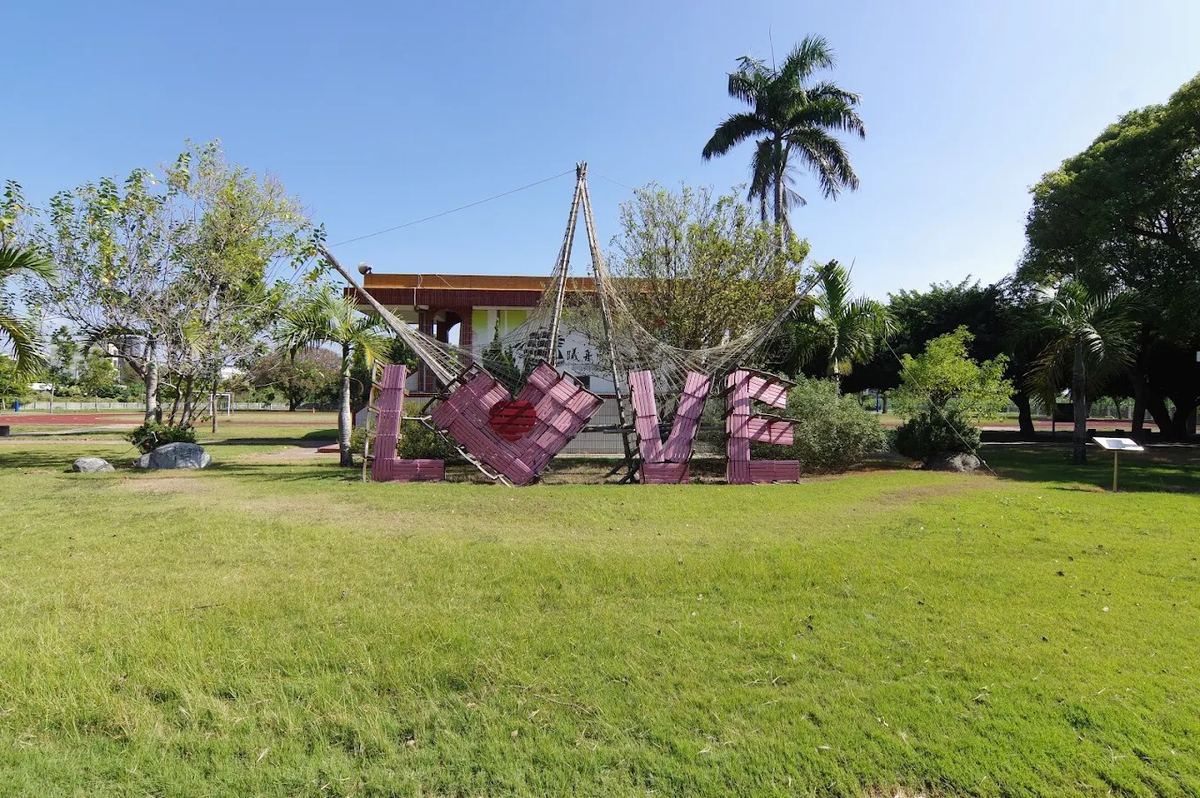
A red running track under open sky, a campus green with trees — Sijhou is a small-township school where students grow up close to the land, and close to each other.
藍天下的紅色跑道,滿是綠意的校園——溪州國中是一所貼近土地、貼近彼此的小鄉鎮學校。
Cross-domain thinking, creativity, practice, and lifelong learning.
跨域力、創造力、實踐力、學習力——AI 人工智慧時代人才不可或缺的四大卓越核心能力。
These four capabilities reinforce one another, helping every student keep evolving and keep solving real problems in a fast-changing society.
這四種能力相輔相成,幫助個人在瞬息萬變的社會中不斷進化並解決真實問題。
Breaking down the boundaries of a single subject, combining knowledge and skills across fields, and building a multidisciplinary perspective and collaborative communication.
打破單一學科的界線,結合不同領域的知識與技術,培養多元專業視野與團隊溝通協作能力。
The imagination to think outside the box, offering fresh and original insight into complex problems — fluency, flexibility, originality, and elaboration.
具備跳脫框架的想像力,針對複雜問題提出新穎、獨特的見解與點子,包含流暢、變通、獨創與精密思考。
The ability to turn ideas into action, solving practical problems in real situations — turning words into concrete results.
將想法付諸行動的執行能力,在真實情境與實作中解決實用性問題,把空口白話轉化為具體成果。
The strategy and will to actively acquire new knowledge, adapt and stay resilient through change, and keep renewing oneself for life.
主動獲取新知識的策略與意願,面對環境變遷時的適應力與韌性,持續自我更新的終身學習態度。