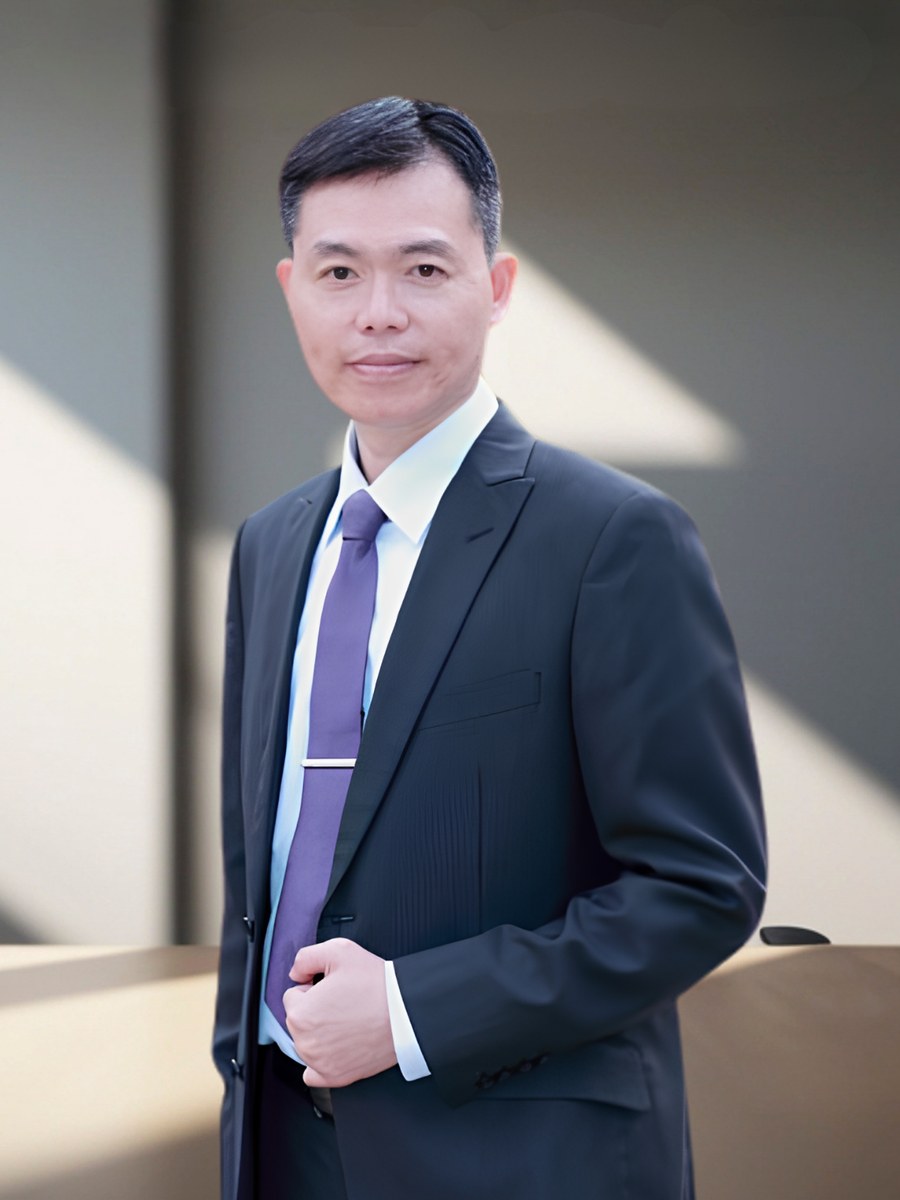
A principal is the navigator of a school. Only a leader who holds firmly to a set of beliefs can turn a dream into something solid and real. My work at Nanya is guided by a simple aim: to raise "studious children of good character" — Nanya children — through a balanced, five-fold education in which moral character comes first.
校長是學校經營的領航者,有理念的堅持,才能築夢踏實。我在湳雅的辦學,圍繞著一個簡單的目標:透過五育均衡發展、並把品德教育擺在第一位,培養「好學有品」的湳雅人。
Around that centre we build the rest: a wide range of clubs to open up each child's many talents, reading instruction to strengthen language and widen horizons, a revival of the school's fine tradition of calligraphy, and an English programme that gives our students an international outlook and a real edge.
在這個核心之外,我們持續努力:辦理多元社團,開發孩子的多元潛能;推動閱讀教學,提昇語文能力、拓展知識視野;推動書法教育,重現本校優良傳統;推動英語教育,拓展國際視野、強化競爭優勢。
Eight commitments for running the school.
辦學的八項堅持。
1 · A humane education that draws out a child's good nature. Education is centred on the person and begins from what is bright in human nature. It must meet real human needs, care for each student's mind, body and character, and be reasonable and kind — never coercive, and never, in any form, physically punishing. Children should learn and grow in an environment of safety and love.
一、以人性化的教育方式啟發孩子良善的本性。教育以「人」為中心,從人性的光明面出發,相信人性本善。教育須重視人性需要的滿足,注重學生身心與人格發展,通情達理、時時關懷,尤其不能施予任何形式的體罰,讓孩子在安全與愛的環境中學習成長。
2 · Attending to differences, uncovering strengths. The child is the subject of education. Curriculum design, teaching and the learning environment must all take full account of each student's ability, character and aptitude, so that every child has a way of learning that fits them, and can move toward self-realisation.
二、注重學生個別差異,發掘學生優勢潛能。孩子是教育的主體,課程設計、教學實施與環境營造,都必須充分考量學生能力、性格、性向的多元與差異,依個別差異推展適性教學,並以愛、尊重與關懷規劃多元學習情境,使其充分發展自我。
3 · A whole-person education, five ways in balance. Moral, intellectual, physical, social and aesthetic development should grow together, not one at the expense of the rest — so that school life awakens a child's character, thinking, feeling, body, sense of beauty and creativity all at once.
三、重視全人教育,五育均衡發展。「全人教育」是在德、智、體、群、美五育上都有均衡的發展,而不偏重某一項。學校的課程安排與教學實施,要能啟發孩子在品德、認知、情緒、身體、美學及創造等能力的全方位發展。
4 · Teachers lead by example. What a teacher does shapes a child more surely than what a teacher says. "Education is life": spending each day alongside children, the attitudes a teacher shows and the way they treat others become the model students imitate. The way of education is nothing other than love and example.
四、教師以身作則,用身教做為學生的榜樣。教育者的一言一行最能影響孩子,也是最直接的教育方式。「教育即生活」,教師與孩子朝夕相處,所散發的人生態度與待人接物,都是學生模仿的對象——「教育之道無他,唯愛與榜樣而已」。
5 · Shaping the environment so the setting itself teaches. The formal curriculum and the hidden curriculum matter equally. A school's physical, psychological and institutional environment directly shapes students' disposition, attitudes and outlook. So we build a green, ecological campus in the spirit of sustainability, keep relationships among staff and students harmonious and caring, and create a democratic, rule-of-law setting that nurtures modern civic character.
五、塑造良好學習環境,發揮境教、制教功能。正式課程與潛在課程同等重要。學校的物質、心理與制度環境,直接影響學生的氣質、態度與人生觀。因此我們建構兼具綠美化的生態校園,符合綠能、環保、永續精神;讓師師、師生之間的氛圍和諧,用愛關照彼此;並營造民主法治的制度環境,啟發孩子現代化的公民素養。
6 · Love of home, and a wider view of the world. We teach children to remember the source of the water they drink — to be grateful, and to love their own place and everything in their surroundings. Knowledge of one's homeland must be built from a young age. At the same time, Taiwan's future lies in the world: alongside stronger foreign-language ability, especially English, and a broader international outlook, children need skills in communication, teamwork and adapting to change, and an understanding of and respect for many cultures.
六、培養學生愛鄉情懷,拓展國際視野。教育孩子「飲水思源」,常懷感恩心,熱愛自己與生活環境的一切;對鄉土的認識必須從小培養,才能不忘本、回饋社會。另一方面,台灣的發展在全世界,除了提升外語(尤其英語)能力、拓展國際視野外,還要培養孩子溝通協調、團隊合作、適應環境的能力,以及對多元文化的理解與尊重。