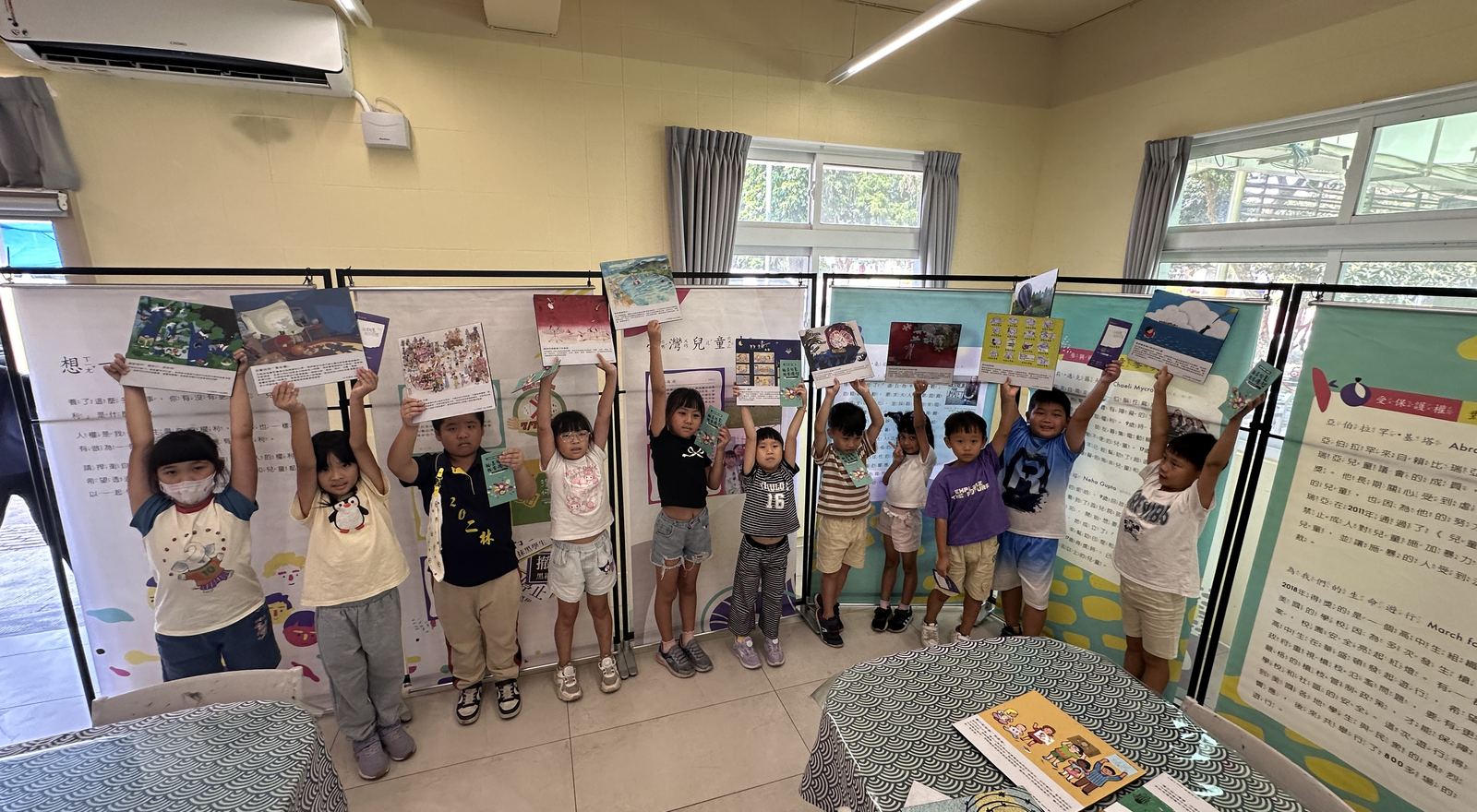
Every Child Has Rights走進人權博物館行動展 — 讓尊重與關懷在孩子心中發芽
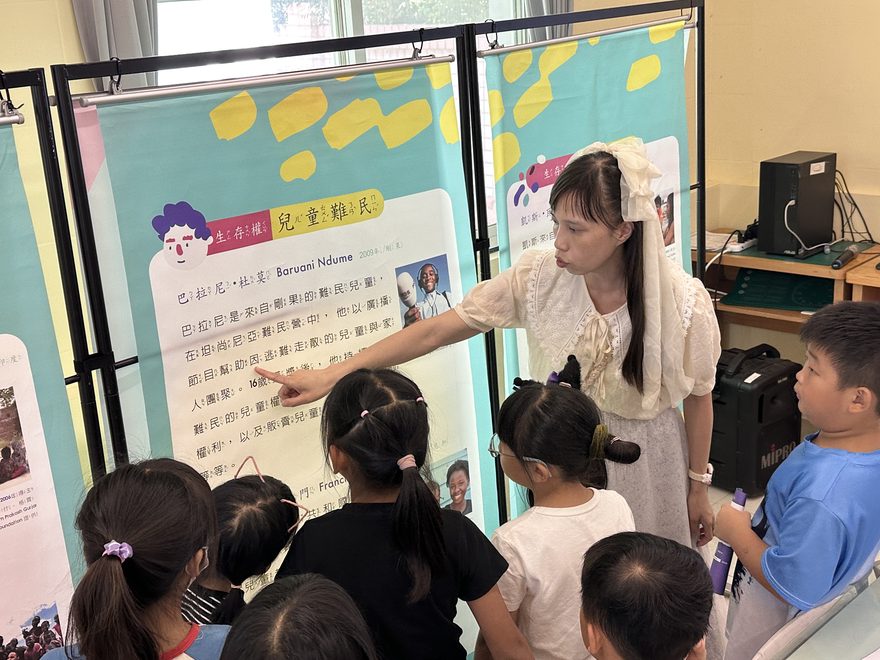
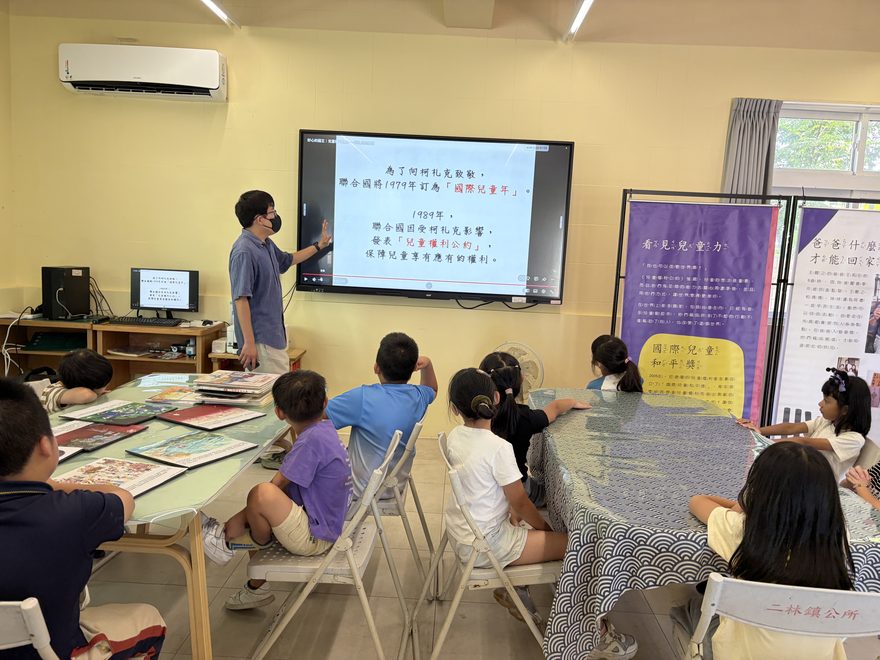
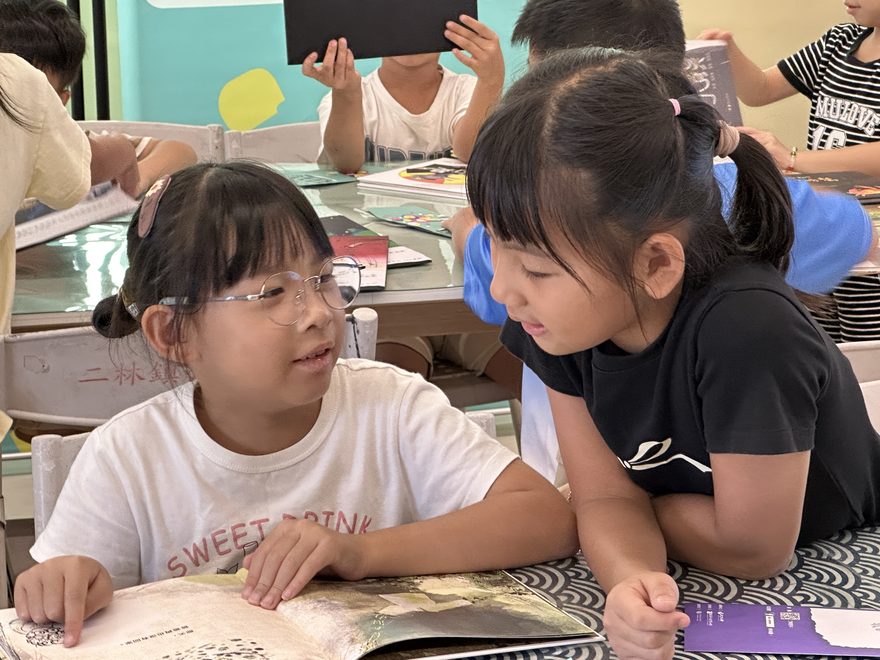
True stories of children's rights on the panels, a video about Janusz Korczak, and picture books to read together. 展板上的真實兒童故事、柯札克的故事影片,還有一起共讀的人權繪本。
How should every person be treated? Guangxing students explored this question at a traveling exhibition from the National Human Rights Museum. Through its panels, stories, and picture books, the exhibition showed that human rights are not just facts to memorize — they are about learning to respect, understand, and care for one another.
The panels told true stories of children around the world who spoke up for their rights and for others. One was about Baruani Ndume, a refugee child from Congo who hosted a radio show in a refugee camp in Tanzania to help children who had lost their families find them again. Students also watched the story of Janusz Korczak, the doctor and teacher known as the father of children's rights. His ideas helped inspire the United Nations' Convention on the Rights of the Child in 1989.
Students then learned the four main principles of the Convention: no discrimination, the best interests of the child, the right to life and development, and respect for children's views. Everyone deserves to be treated equally, understood, and respected. Human rights are not a faraway slogan; they live in every choice and action we make each day.
As children learn about history and human rights, we hope they will value their own rights, respect people who are different from them, see the world with empathy, and protect one another's dignity through their actions.
Education is not only about knowing what rights are. It is about helping children understand that everyone should be treated well — and that we all share the job of protecting each other's dignity. May this exhibition be a starting point: may understanding grow into empathy, empathy into action, and may respect and love keep growing like a seed in every heart. ❤️
這次孩子們走進國家人權博物館的人權主題行動展,透過展覽的規劃與呈現,再次深刻感受到,人權教育不只是知識的傳遞,更是引導孩子學會尊重、理解與關懷的重要歷程。期盼透過展覽,帶領孩子認識人權的意義,理解每個人都應享有平等的權利與尊嚴,讓人權的種子在孩子心中悄悄萌芽。
展板上,記錄著世界各地勇敢為自己與他人發聲的孩子:例如來自剛果的難民兒童巴拉尼・杜莫,在坦尚尼亞的難民營裡主持廣播節目,幫助逃難時走散的孩子與家人團聚。老師也帶大家認識「兒童權利之父」柯札克的故事——聯合國在1989年發表的《兒童權利公約》,正是受到他的影響。
🌱 認識兒童權利,從理解走向實踐
透過認識《兒童權利公約》的四大原則:不歧視、兒童最佳利益、生存及發展權、尊重兒童意見,讓孩子明白,每個人都值得被平等對待、被理解與被尊重。人權並不是遙遠的口號,而是藏在生活中的每一個選擇與行動。希望孩子在認識歷史、理解人權的過程中,不僅學會珍惜自己的權利,也懂得尊重他人的不同,以同理心看待世界,用實際行動守護彼此的尊嚴。
教育的意義,不只是讓孩子知道什麼是權利,更是讓他們明白,每個人都應該被好好對待,而我們也都有責任,一起守護彼此的尊嚴。願這場展覽成為孩子認識人權的起點,讓理解帶來同理,讓同理化為行動,讓尊重與愛在每個人的心中持續發芽,攜手打造一個更友善、更平等、更有溫度的學習環境!❤️
Tap 🔊 to listen
點喇叭聽發音
Every child has the right to learn and play.每個孩子都有學習和玩耍的權利。
We visited a human rights exhibition.我們參觀了一場人權展覽。
Everyone should be treated with dignity.每個人都應該被有尊嚴地對待。
The refugee family found a safe new home.那個難民家庭找到了安全的新家。
Treat others the way you want to be treated.用你希望別人對待你的方式對待別人。
I understand how you feel.我理解你的感受。
Show care for the people around you.對身邊的人表達關懷。
A small seed can grow into a big tree.一顆小小的種子可以長成大樹。
Match the word to its meaning
把英文和中文配對
Matched 配對成功:0 / 8