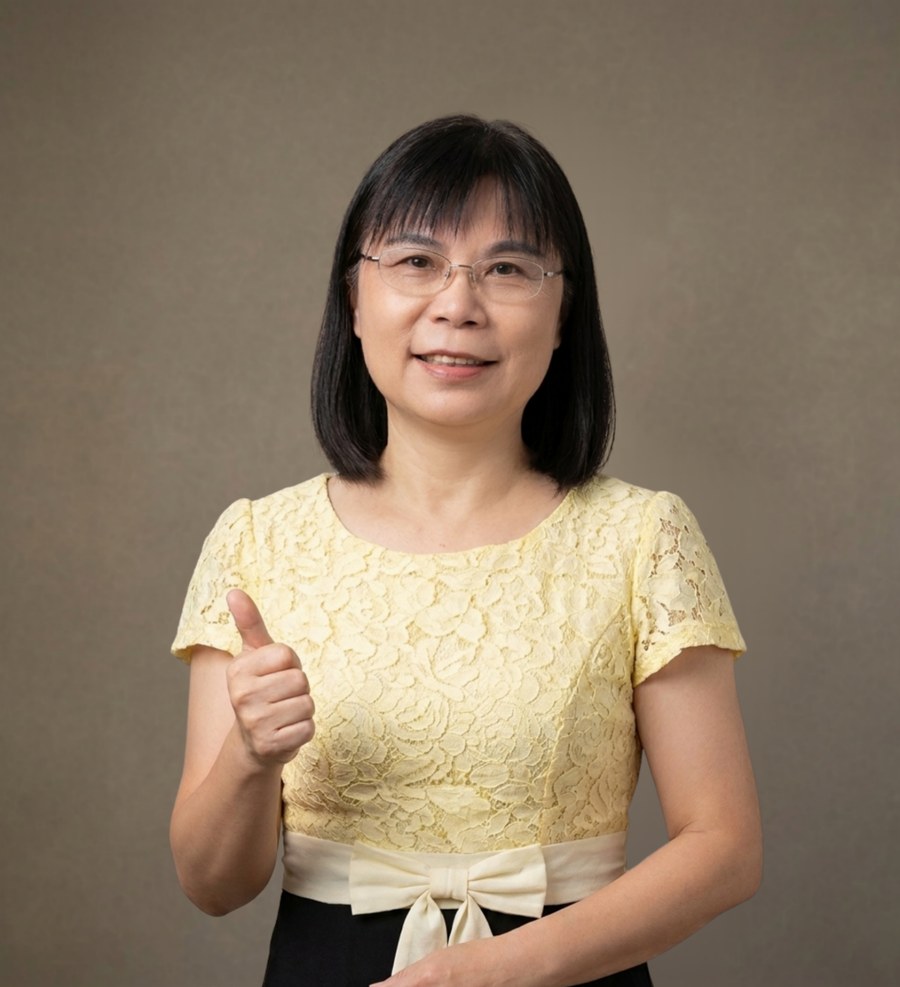
Chen Chao-ling became principal of Fuxing Elementary School in August 2026. She arrives with many years of service behind her in Changhua’s own schools and offices — first in a school, running its academic affairs, and then at the county Education Department, where the work was curriculum across many schools at once. Both halves of that matter here: she knows what a timetable actually costs to run, and she knows what a small school can ask for and get.
陳昭伶校長自115 年 8 月起接任復興國小校長。她在彰化的基層教育服務多年,行政與教學經驗相當豐富——先是在學校裡負責教務,後來到縣府教育處看的是跨校的課程。這兩段經歷在這裡都用得上:她清楚一張課表實際上要花掉什麼,也清楚一所小學校可以爭取到什麼。
What she leads with is stated plainly enough that it can be checked against what happens: the children come first. The campus she wants is one where they learn happily and grow up healthy — the same two words, 健康 and 快樂, that are already painted on the courtyard wall here. It is a good sign when a new principal’s first sentence and the school’s oldest wall agree.
她的辦學方向說得夠清楚,清楚到可以拿來對照後續實際發生的事:以學生為主體。她要的是一個讓孩子快樂學習、健康成長的優質校園——而「健康」與「快樂」這兩個詞,本來就寫在復興中庭那面牆上。一位新校長的第一句話,跟學校牆上原有的字對得上,是一件好事。
Years in Changhua’s grassroots schools — a classroom building, then a county office, then a school of her own.
多年的彰化基層教育——先是一棟教學樓,再是一間縣府辦公室,然後是一所自己的學校。
Principal Chen has spent many years in grassroots education, and the shape of her career is worth reading carefully. A director of academic affairs is the person who has to make a school’s teaching actually fit into the hours available. A curriculum supervisor at county level then sees that same problem repeated across dozens of schools, including the small rural ones, and learns which answers travel and which do not. She comes to Fuxing having done both jobs — which is to say, she has seen this school’s kind of school from the inside and from above.
陳校長在基層教育服務多年,而她這條路徑的形狀值得細看。教務主任是那個必須把學校的教學,真的塞進有限時數裡的人;課程督學則是在全縣幾十所學校裡,反覆看到同一個問題——包括偏鄉小校——因而知道哪些做法搬得動、哪些搬不動。她是帶著這兩份經驗來到復興的:也就是說,這一類學校,她既從裡面看過,也從上面看過。
Put the children at the centre. Bring in new energy. And stay alongside.
以學生為主體、注入全新活力、關懷與陪伴。
Principal Chen has been in education a long time, and her stated direction comes down to three things — each of which is a decision about where her attention goes rather than a slogan about what the school will become.
陳昭伶校長長期投入教育專業,而她的辦學方向核心可以歸納成三件事——每一件都是關於「注意力要放在哪裡」的決定,而不是關於「學校將會變成什麼」的口號。
The third of these is the one that takes the longest and shows up the least in any report. Accompanying a school as it grows — and accompanying its teachers, not only its children — is slow work, and it is what turns professional expertise into encouragement somebody actually received. At a school this size that is possible in a way it is not elsewhere: there are few enough people here that a principal can know all of them.
這三件裡,最花時間、也最不容易寫進任何報告的是第三件。陪伴一所學校長大——而且是連老師一起陪伴,不只是孩子——是慢的工作,也是把教育專業變成某個人真的收到的鼓勵的那道手續。在一所這種規模的學校,這件事是做得到的:這裡的人數少到,一位校長可以認得每一個。
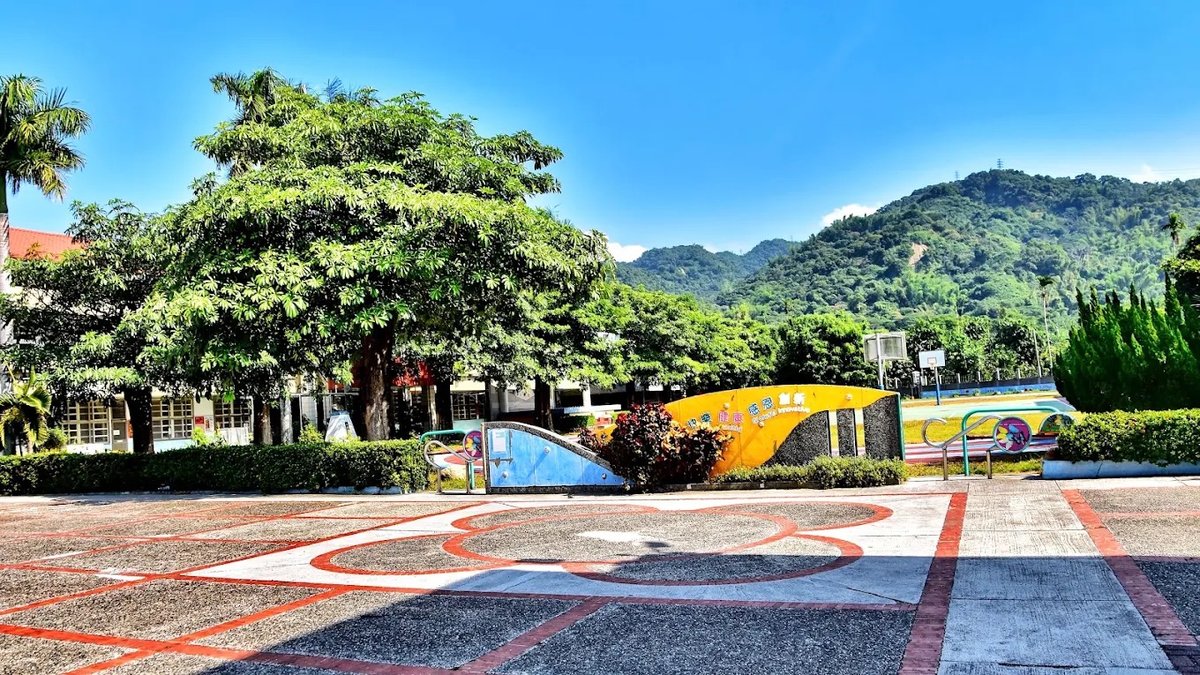
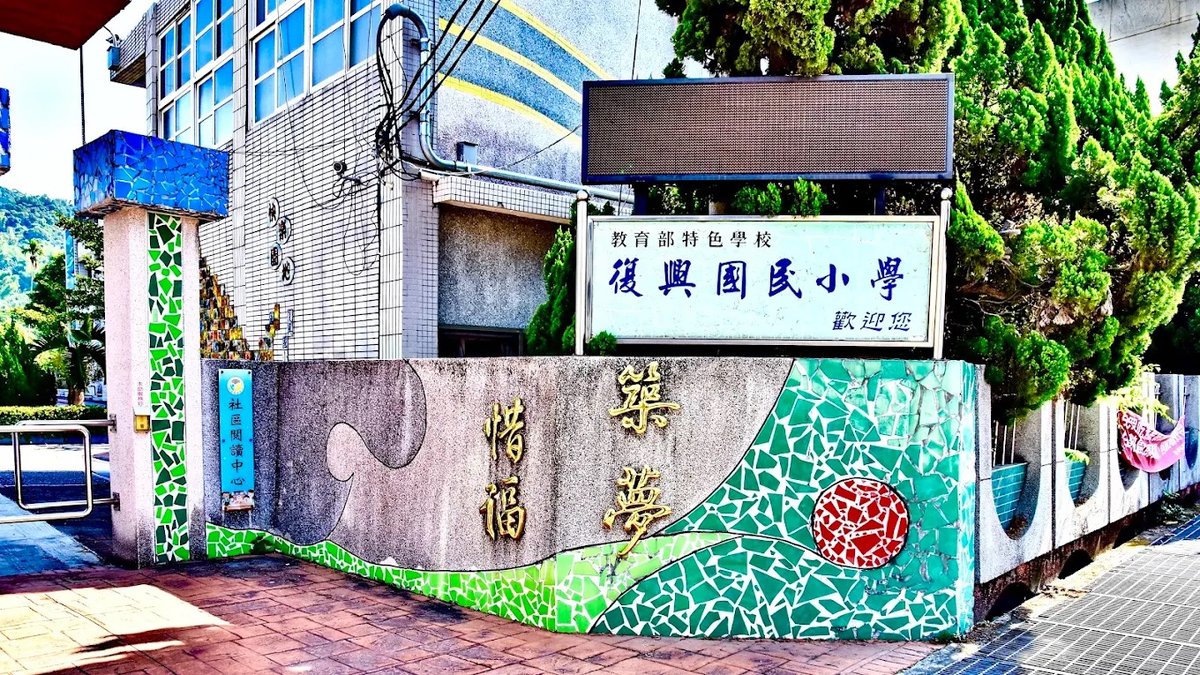
A principal arriving at a hundred-year-old school does not start from nothing. The words are already on the walls — 快樂 健康 感恩 創新 in the courtyard, 惜福築夢 by the gate — and so is the school’s standing as a Ministry of Education distinctive school and a community reading centre. The task is to keep those words true, and then to add to them.
一位校長來到一所百年學校,不是從零開始的。字本來就已經在牆上了——中庭是「快樂 健康 感恩 創新」,校門旁是「惜福築夢」——學校作為教育部特色學校與社區閱讀中心的位置也已經在了。接下來的工作,是讓這些字繼續是真的,然後再往上加。