
Foreign English Teachers · Monthly Meeting

FET Monthly Meeting
October 15, 2026

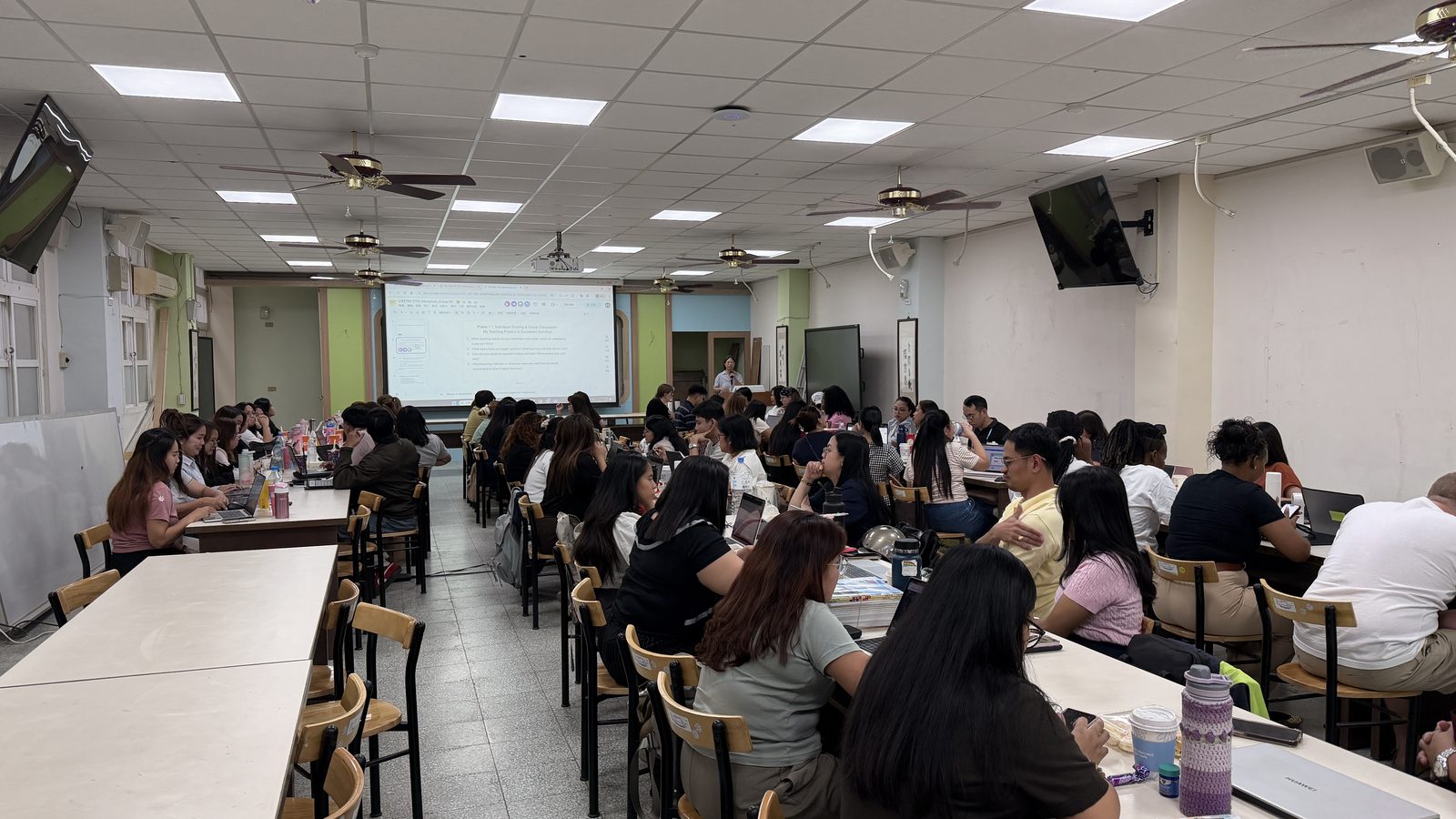
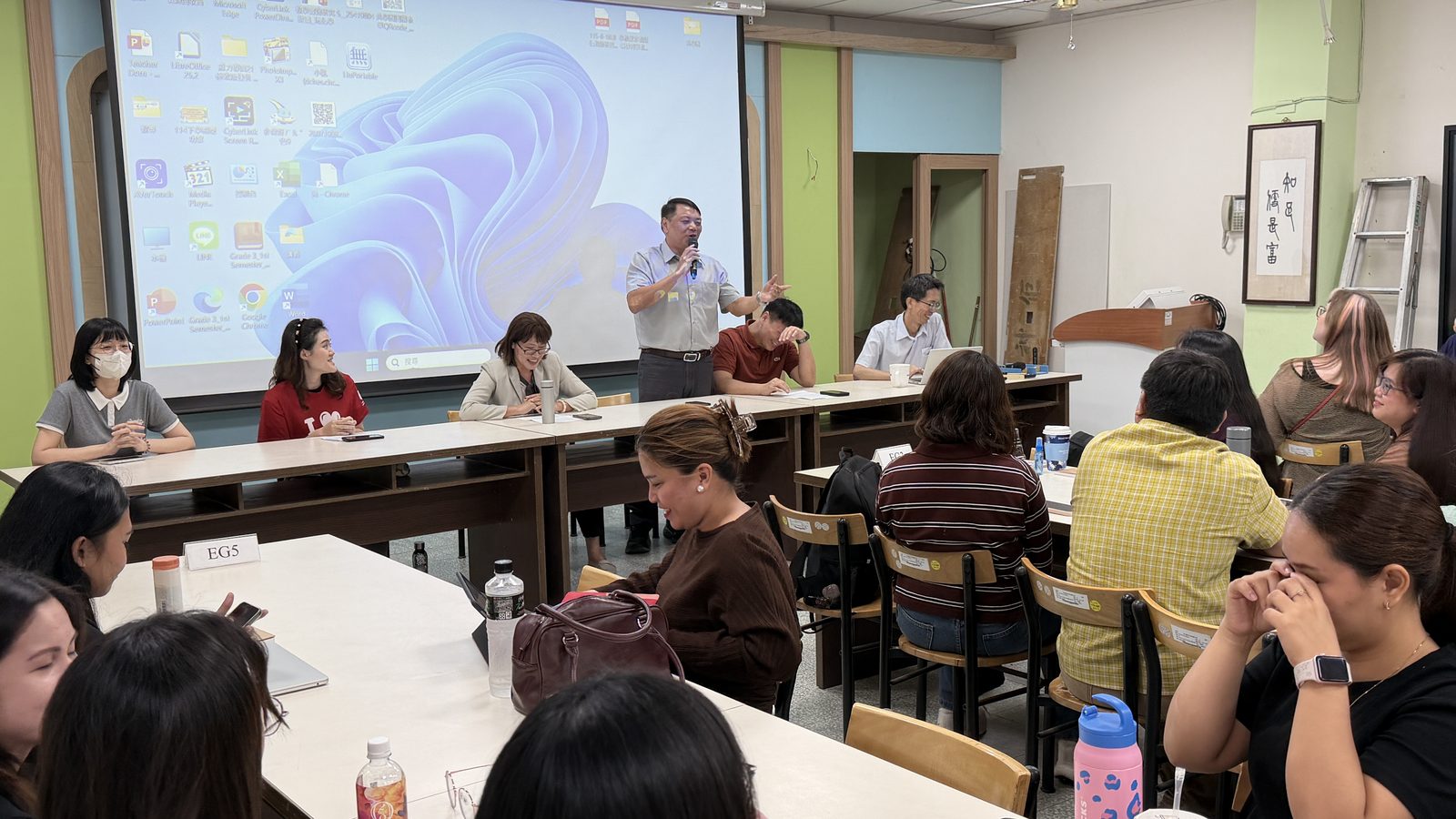
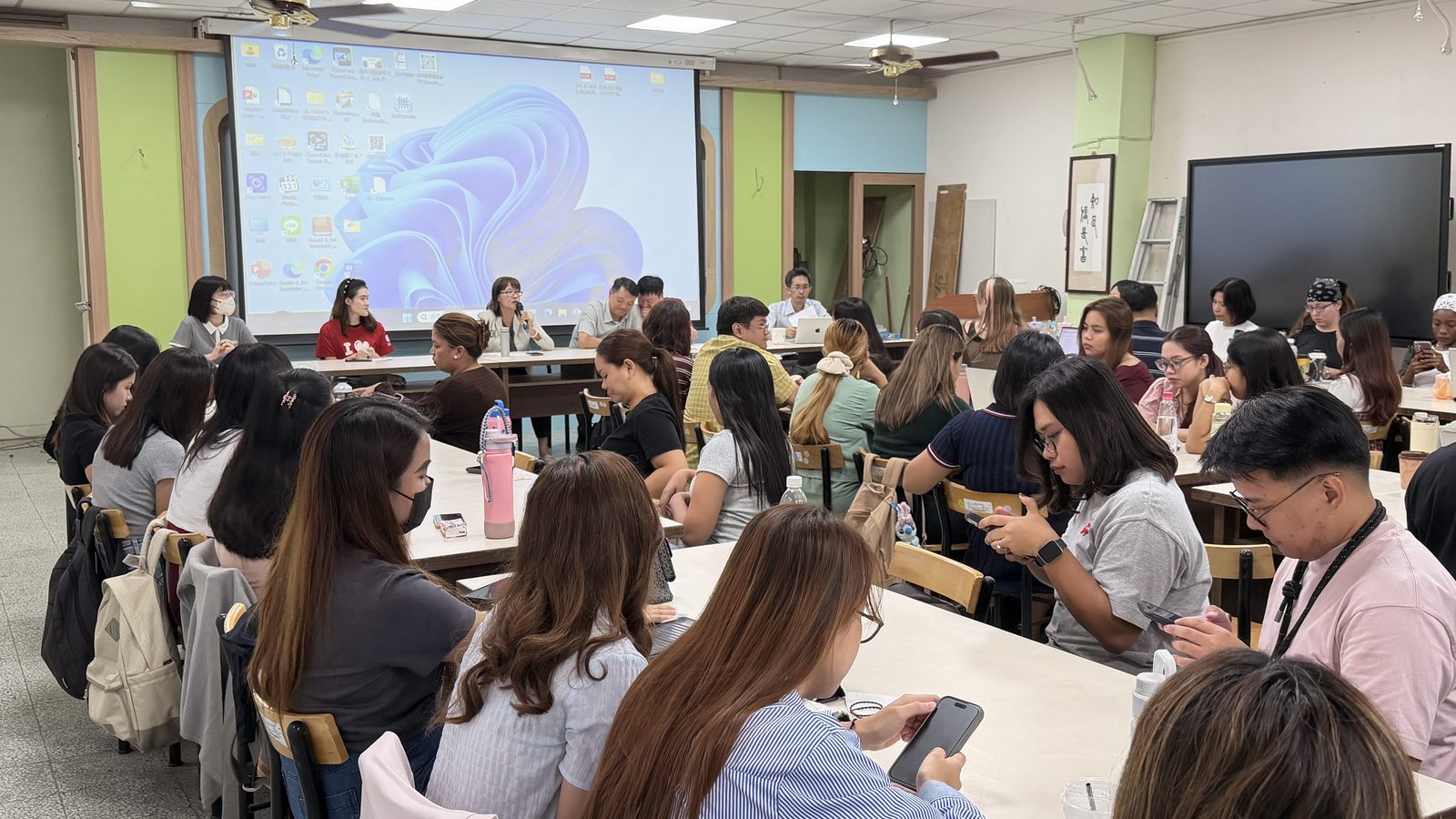
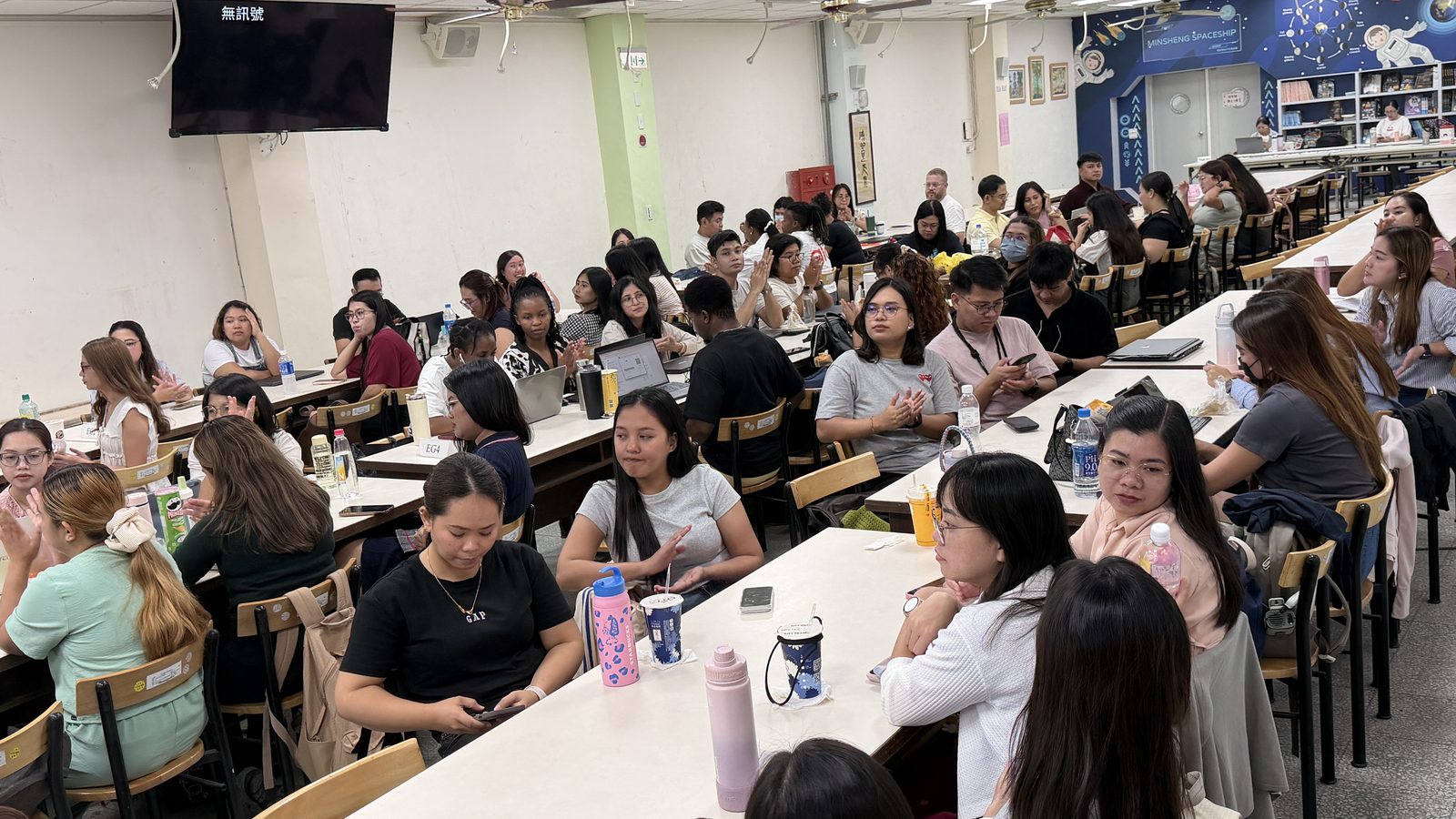
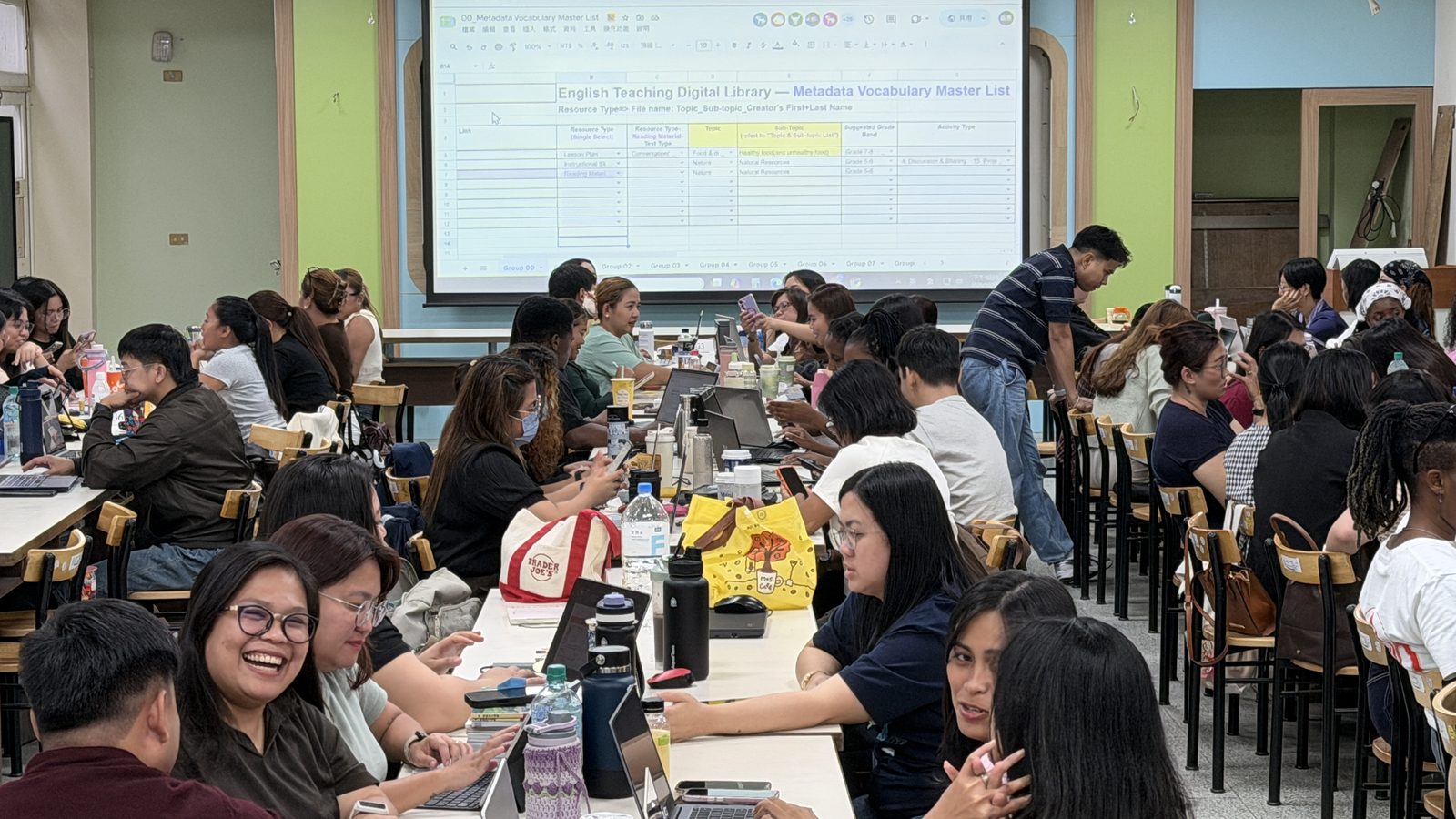
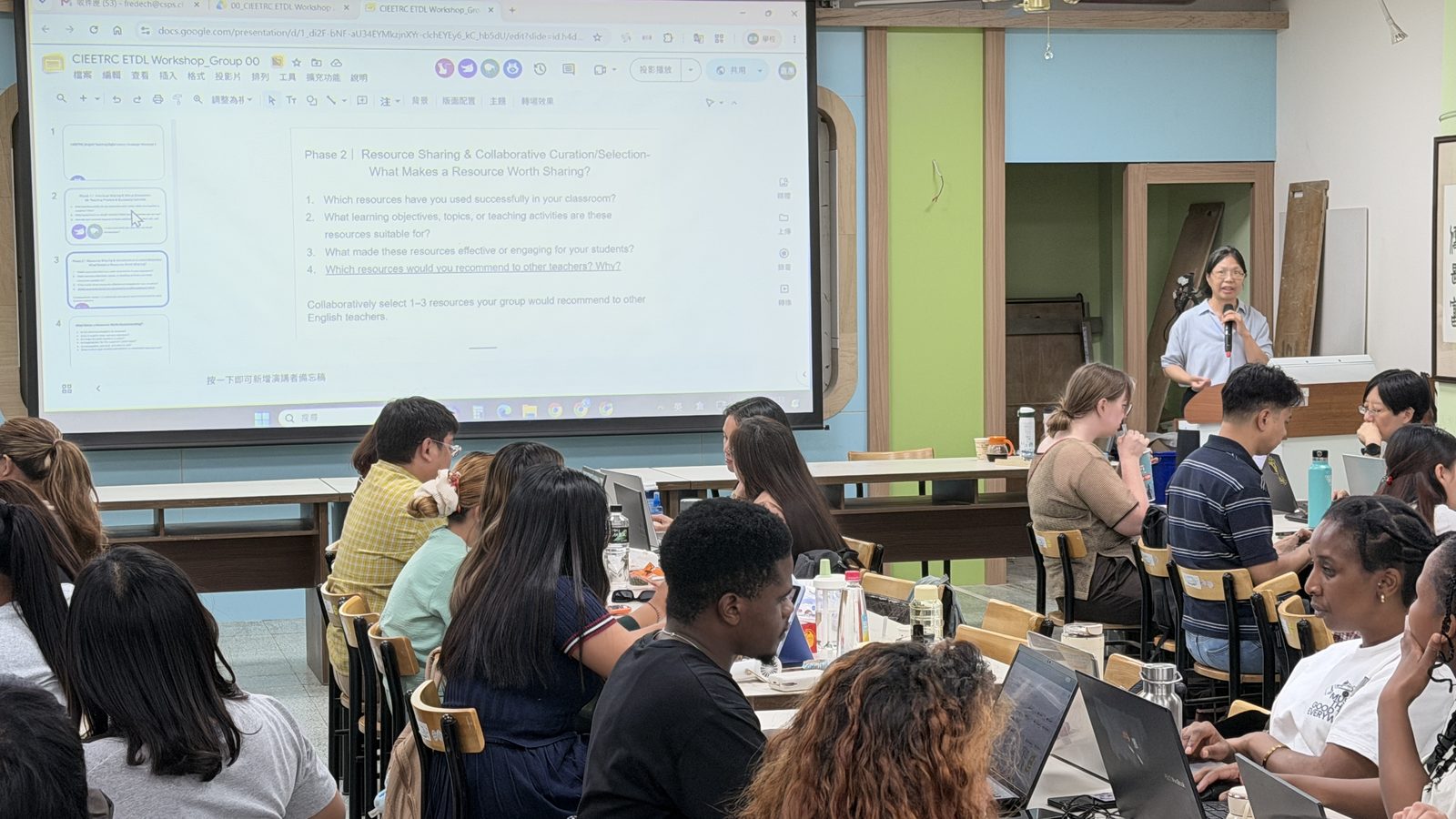
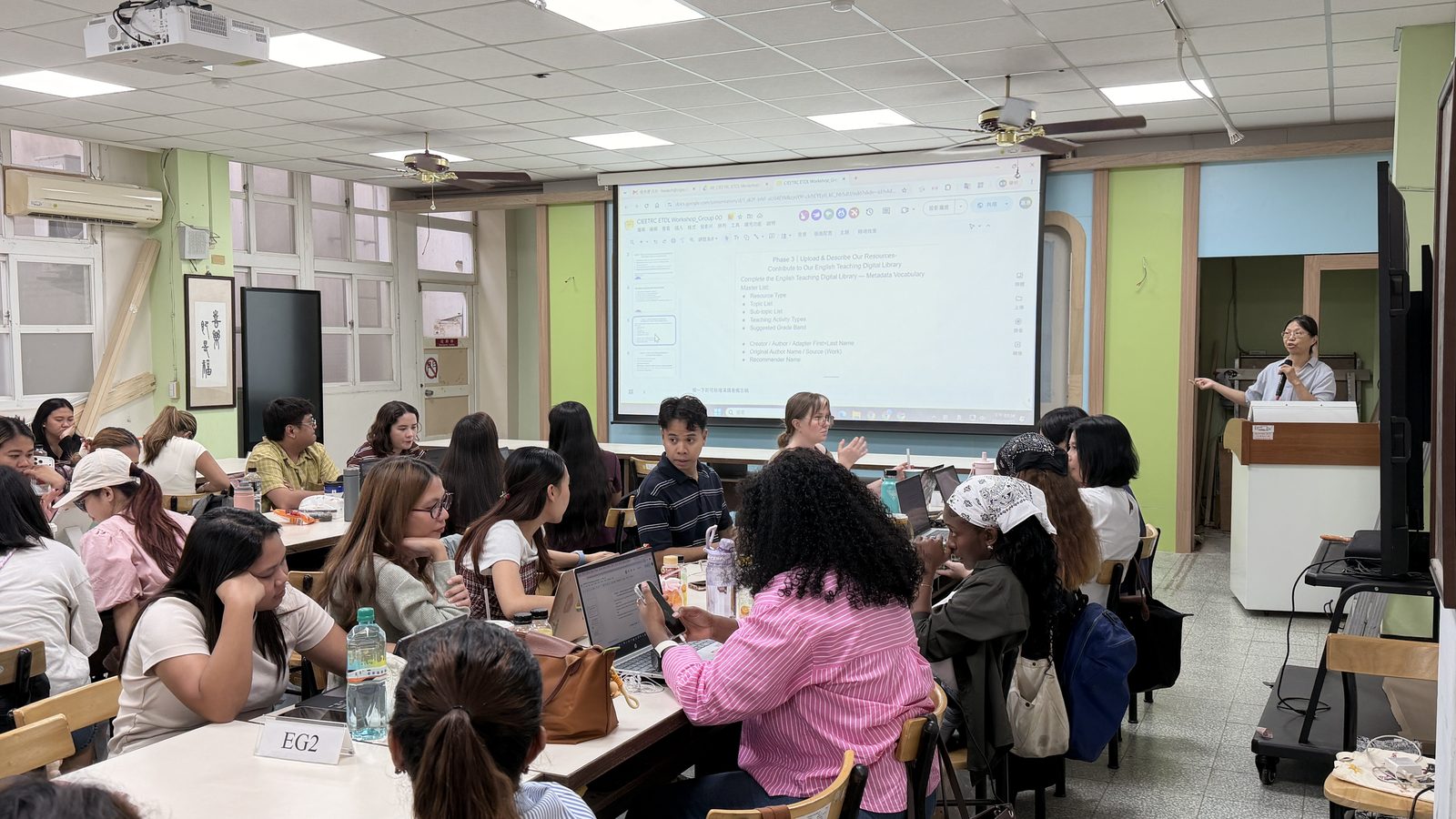
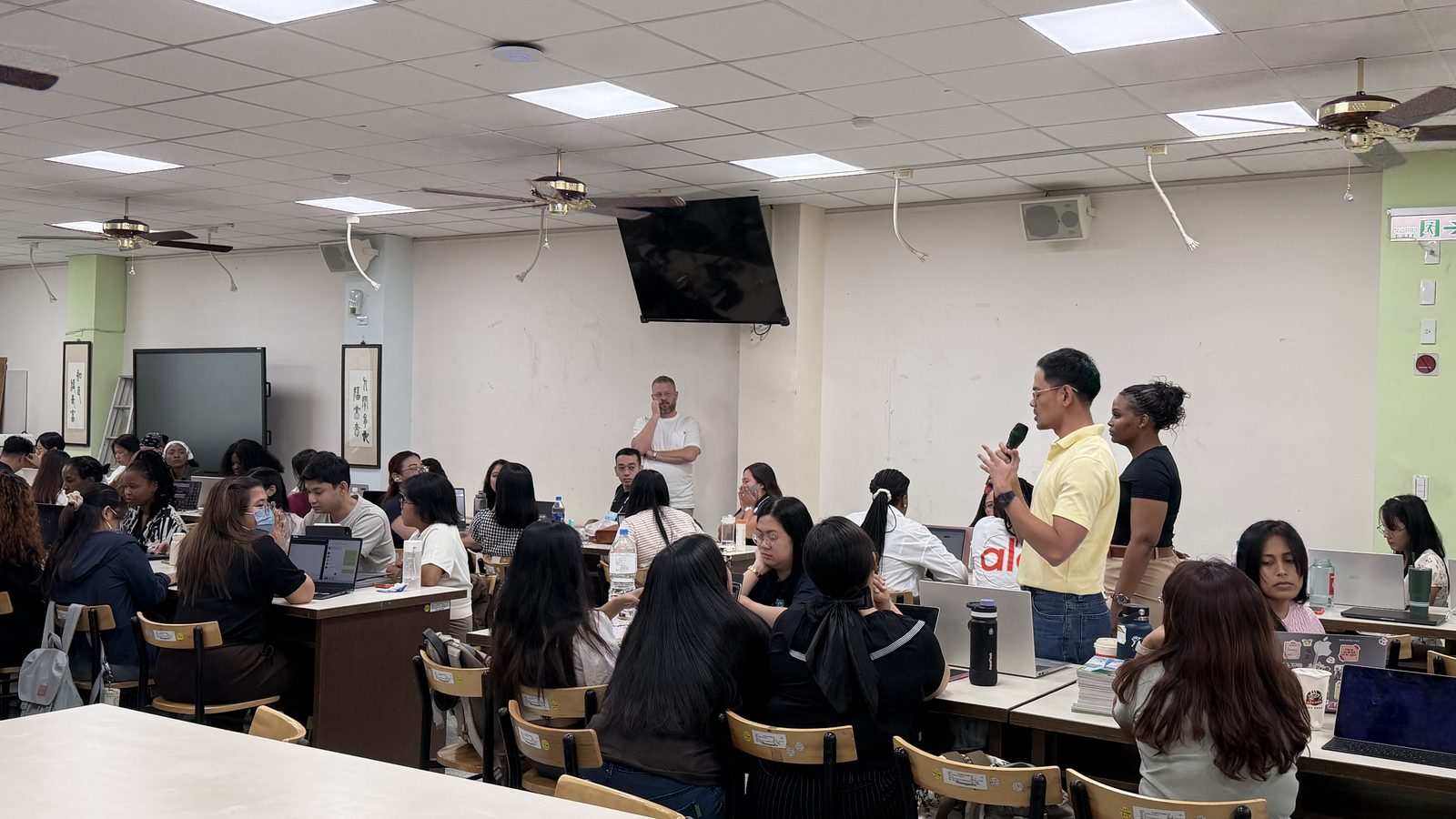
Changhua's foreign English teachers met for the October monthly meeting. Groups again chose their own discussion topics and sent a representative to share. Here are the highlights from three groups: a schoolwide English Club and English Corner built around a Sentence of the Week, a ready-to-play ice-breaker game deck, and what to do in the first two minutes of every lesson.

彰化縣外籍英語教師十月月會。各小組再次自行選定討論主題,並由代表上台分享。以下是三個小組的重點:圍繞「每週一句」的全校英語社團與英語角、現成可玩的破冰遊戲簡報,以及每堂課前兩分鐘該做什麼。

October 15, 2026 · 2026年10月15日 3 group highlights · 3 組分享重點 Elementary Groups · 國小組

Discussion Highlights 討論重點

What each group shared, in their own words — practical ideas you can adapt for your own classroom.

各小組的第一手分享——你可以直接運用於自己課堂的實用點子。

EG 2

English Club & English Corner: Sentence of the Week

英語社團與英語角:每週一句

One target sentence each week travels across campus: a student-made podcast, a morning-assembly game, and a monthly puzzle challenge in the English Corner.每週一句在校園裡處處出現:學生製作的 Podcast、晨會小遊戲,以及每月的英語角拼圖挑戰。

Read the full summary · 閱讀完整重點

English Club · Morning assembly · English Corner
英語社團 · 晨會 · 英語角

  • English Club podcast. Students in the English Club are given a mission to be the school's "English Buddies." Their goal is to promote English around the school, and one of their tasks is a weekly Sentence of the Week podcast. The slides also show an English Buddy mission log with a self-reflection section.英語社團 Podcast。英語社團的學生被賦予任務,成為學校的「英語小夥伴」,目標是在校園裡推廣英語,其中一項任務就是每週製作「每週一句」Podcast。投影片也展示了附有自我反思欄位的英語小夥伴任務紀錄表。
  • Morning assembly. The sentence is introduced with posters and listen-and-repeat. Then comes Pass and Place: students pass word placards around, and when the music stops, the students holding placards step forward and work together to arrange the words in the correct order, revealing the sentence of the week to the whole assembly.晨會。先用海報和跟讀介紹本週句子,接著玩「傳遞與排序」:學生傳遞單字卡,音樂一停,手上拿著單字卡的學生走到前面,合作把單字排成正確順序,向全校揭曉本週的句子。
  • English Corner picture puzzle. During long break, students visit the English Corner and recite the Sentence of the Week to receive the puzzle piece matching their student number. Together they solve a 28-piece themed picture puzzle. The challenge ends at the monthly morning assembly, where student representatives from the winning classes present the target vocabulary and sentence.英語角拼圖挑戰。學生在長下課來到英語角,背出「每週一句」,領取與自己座號對應的拼圖片,大家一起完成 28 片的主題拼圖。挑戰在每月晨會達到高潮:獲勝班級的學生代表上台說明目標單字與句子。
  • Why it works. English becomes a visible and audible part of campus culture every week. Students move from passive recognition to active production. Because each puzzle piece matches a student number, every student has a necessary role, whatever their English level. And one target sentence is reused across many touchpoints, which maximizes learning while saving teachers planning time.為什麼有效。英語每週都成為校園裡看得見、聽得到的一部分;學生從被動辨識進到主動產出;拼圖片與座號對應,不論英語程度,每個學生都有不可或缺的角色;同一個目標句子在多個場合重複出現,學習效果更好,也節省老師的備課時間。
EG 3

Ice Breakers: A Ready-to-Play Game Deck

破冰遊戲:現成可玩的遊戲簡報

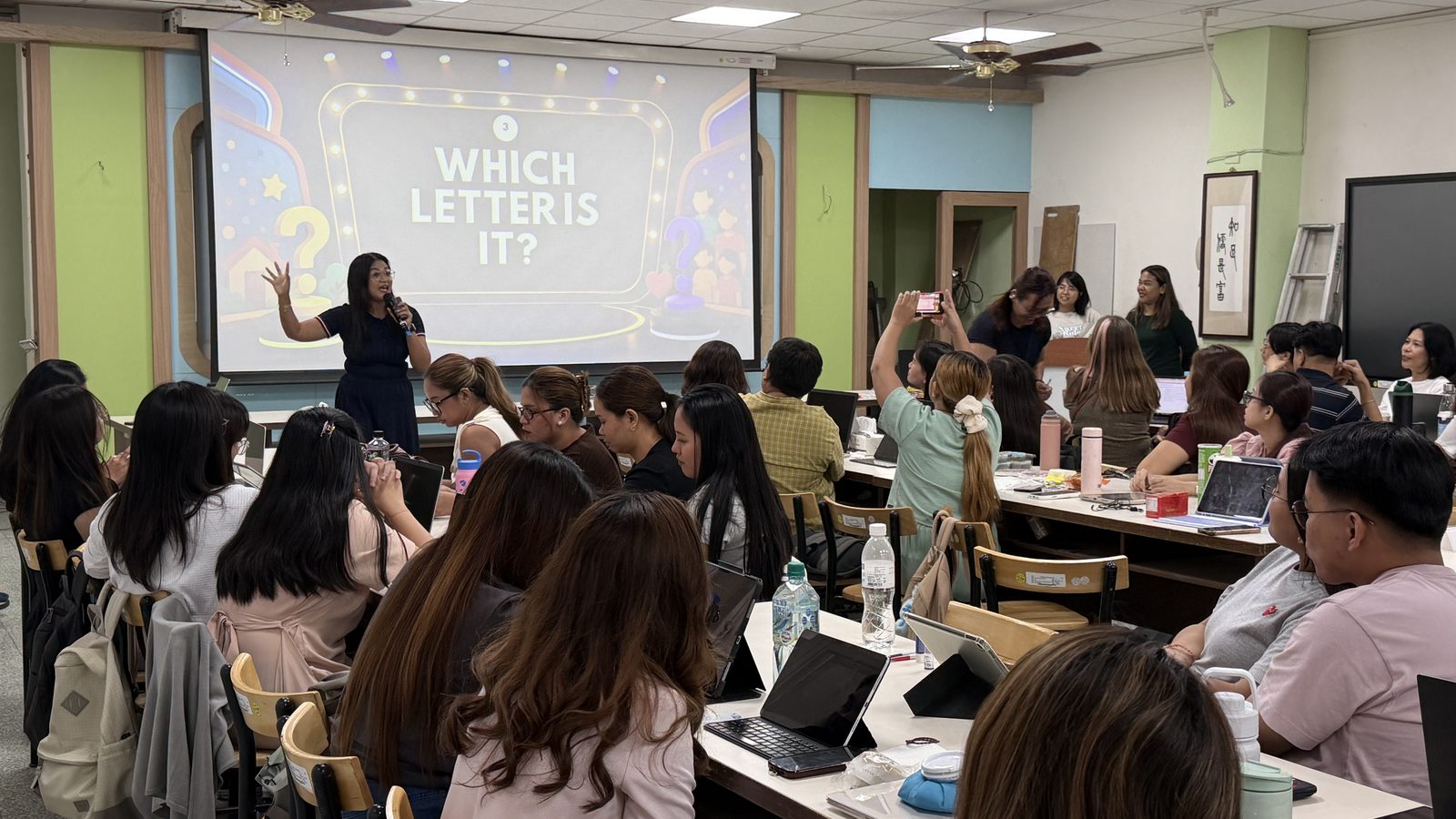
A slideshow of three quick word games the group played live with the whole room: Crack the Code, Missing End, and Which Letter Is It?一份包含三種單字小遊戲的簡報,全場現場一起玩:解碼、缺字、這是哪個字母?

Read the full summary · 閱讀完整重點

Three games, one slideshow
三種遊戲,一份簡報

  • Crack the Code. Pictures stand in for letters, with an alphabet-code chart as a hint, and players work out each three-letter word (ham, pen, bet, lip, fan).解碼。以圖片代表字母,並附上字母密碼表當提示,玩家要猜出每個三個字母的單字(ham、pen、bet、lip、fan)。
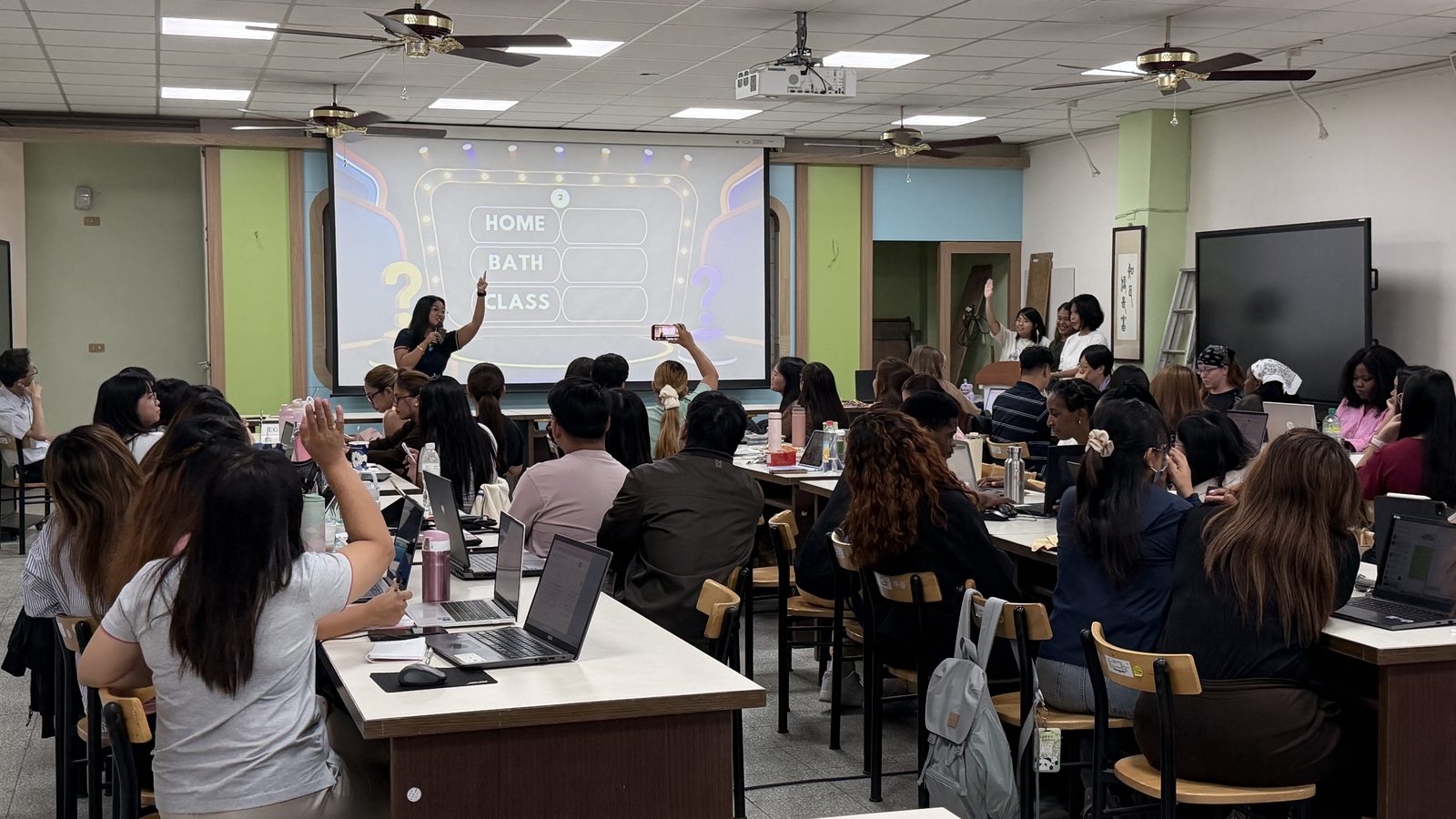
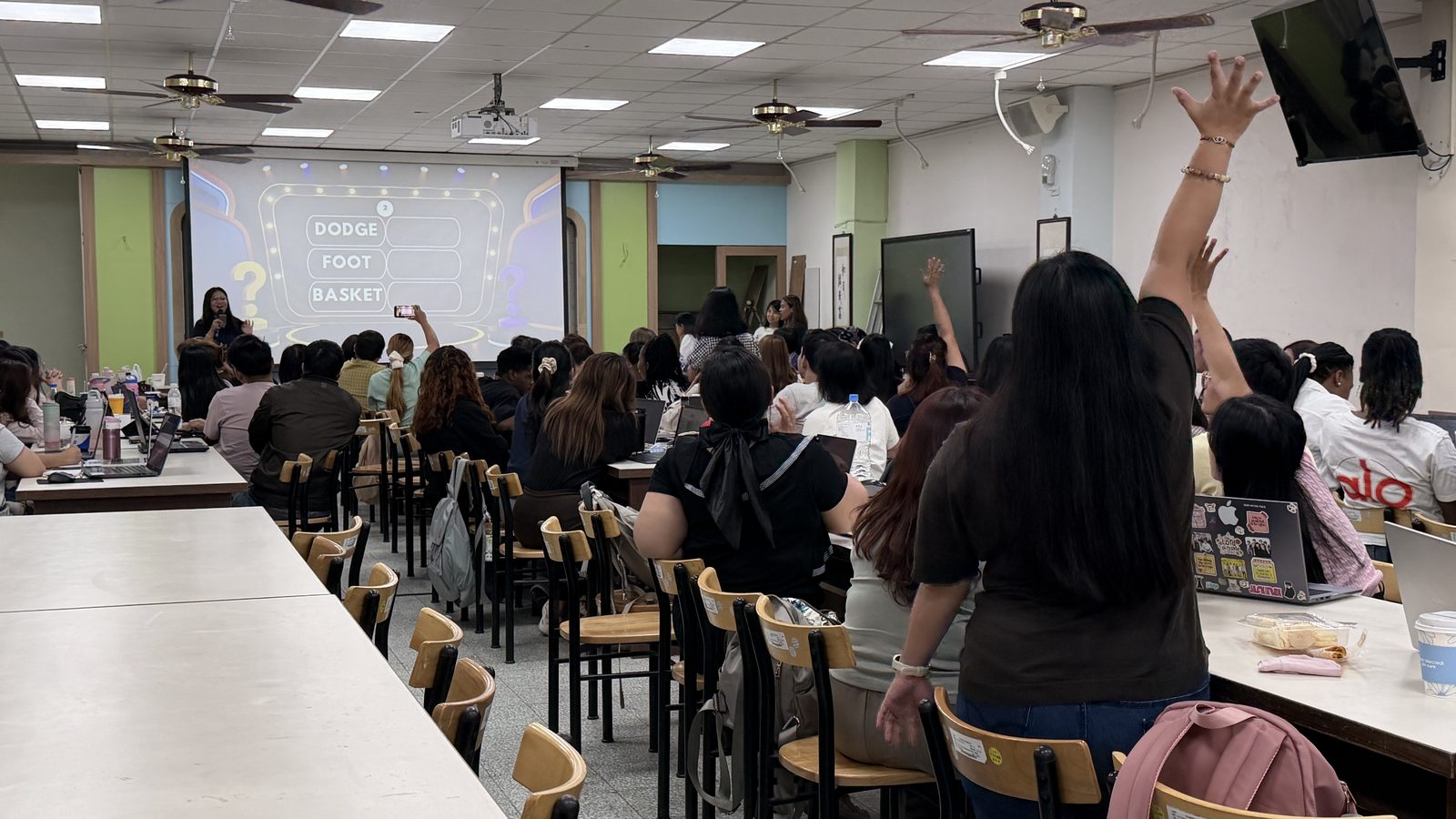
  • Missing End (compound words). Each round shows three words that all share the same missing end word. For example, PAN, CHEESE and CUP all take cake; MICRO, HEAD and EAR all take phone; HOME, BATH and CLASS all take room. There are ten rounds, from super-man to sun-glass, plus a bonus round built on numbers (SEVEN-ELEVEN and SIX-SEVEN).缺字遊戲(複合字)。每一關給三個字,找出它們共同缺少的字尾。例如 PAN、CHEESE、CUP 都能接 cake;MICRO、HEAD、EAR 都能接 phone;HOME、BATH、CLASS 都能接 room。共十關,從 superman 到 sunglass,另有一關以數字為主題的加分題(SEVEN-ELEVEN 與 SIX-SEVEN)。
  • Which Letter Is It? A clue and a picture lead to a letter that sounds like the answer: C for a body of water (sea), B for an insect (bee), I for a part of the body (eye), O for an exclamation (oh), Y for a question (why), T for a drink (tea), P for a vegetable (pea), J for a boy's name (Jay), U for a second-person pronoun (you), and X for someone you once loved (ex).這是哪個字母?根據提示與圖片,找出讀音與答案相同的字母:C 是水域(sea)、B 是昆蟲(bee)、I 是身體部位(eye)、O 是感嘆詞(oh)、Y 是疑問(why)、T 是飲料(tea)、P 是蔬菜(pea)、J 是男生名字(Jay)、U 是第二人稱代名詞(you)、X 是曾經愛過的人(ex)。
  • Played with the room. The group ran the deck live, and teachers raised their hands to answer. It makes an easy warm-up that needs no preparation from students.全場一起玩。小組現場帶領整份簡報,老師們舉手搶答。這是一個學生不需預先準備、輕鬆就能上手的暖身活動。
EG 6

The First Two Minutes of Every Lesson

每堂課的前兩分鐘

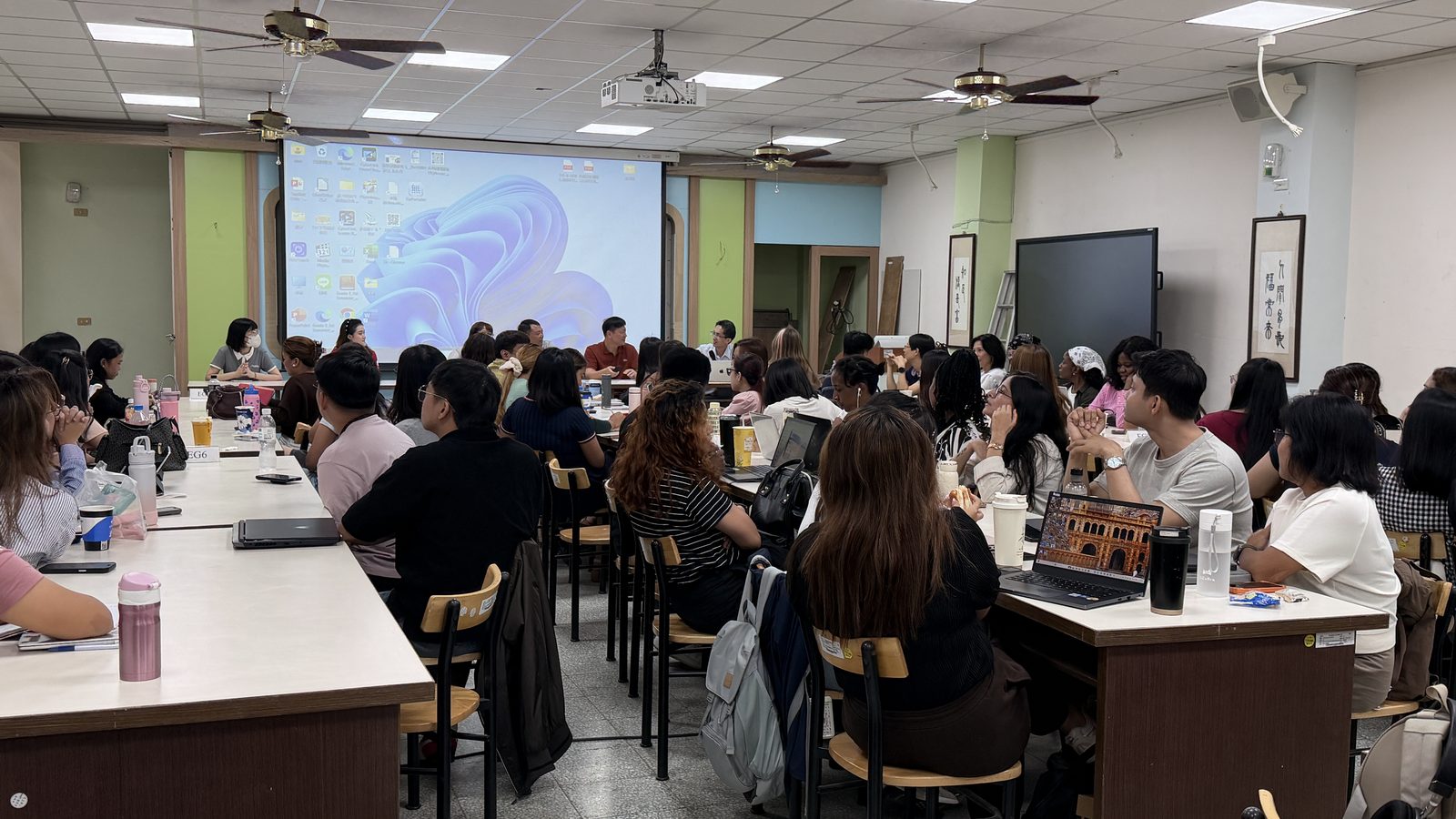
After sharing within the group, EG6 demonstrated a typical lesson opening: a one-minute timer, a greeting, the classroom rules, and a warm-up.小組內分享之後,EG6 示範他們慣用的課堂開場:一分鐘計時器、問候、課堂規則與暖身活動。

Read the full summary · 閱讀完整重點

Discussion topic CM14: What you do in the first two minutes of every single lesson
討論題 CM14:每一堂課的前兩分鐘,你固定做什麼?

  • A one-minute timer. A one-minute timer is shown on the board, giving students time to get ready before the class starts.一分鐘計時器。在黑板上顯示一分鐘計時器,讓學生在上課前有時間做好準備。
  • Greeting. The lesson opens with "Good morning!" and "How are you today?" Students answer with a feeling word: happy, fine, sad, cool, or scared.問候。課堂從 "Good morning!" 與 "How are you today?" 開始,學生用情緒單字回答:happy、fine、sad、cool 或 scared。
  • Classroom rules: LEARN. The rules are built as an acronym, revealed one letter at a time: Listen, Express, Ask, Read, No talking.課堂規則:LEARN。規則以縮寫字呈現,一次揭曉一個字母:Listen(聆聽)、Express(表達)、Ask(發問)、Read(閱讀)、No talking(不說話)。
  • Warm-up. Greetings, classroom rules, and a warm-up activity are the usual routine in every lesson. The group acted it out together so the other teachers could see how the two minutes run.暖身。問候、課堂規則與暖身活動是每堂課固定的流程。小組一起演出,讓其他老師看到這兩分鐘是怎麼進行的。

感謝所有外師的精彩分享。下次月會見! · Thank you to every teacher who shared. See you at the next meeting.